Categories
News

Rebuild, Rethink, Rise: Strengthening HIV Prevention

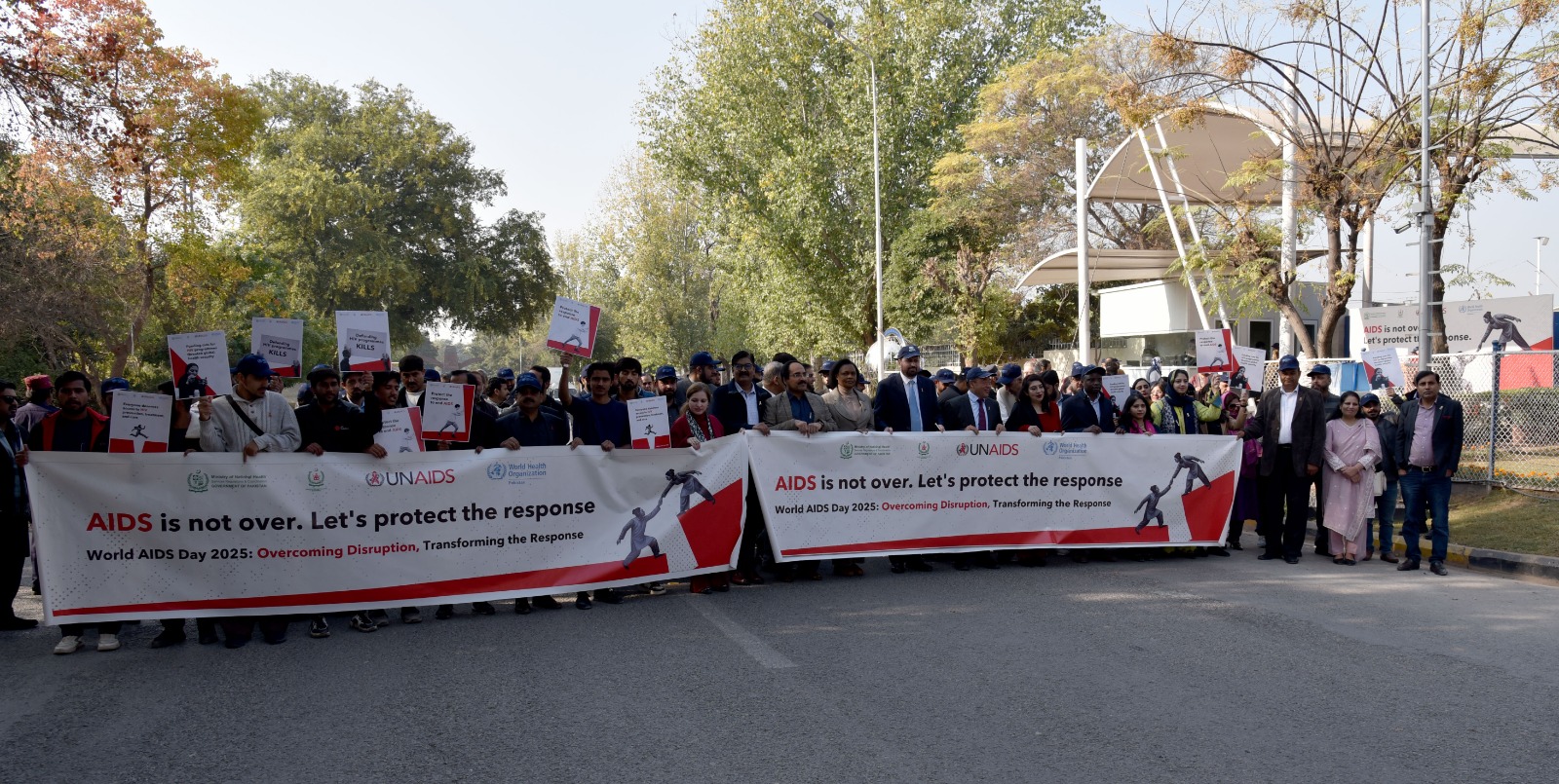
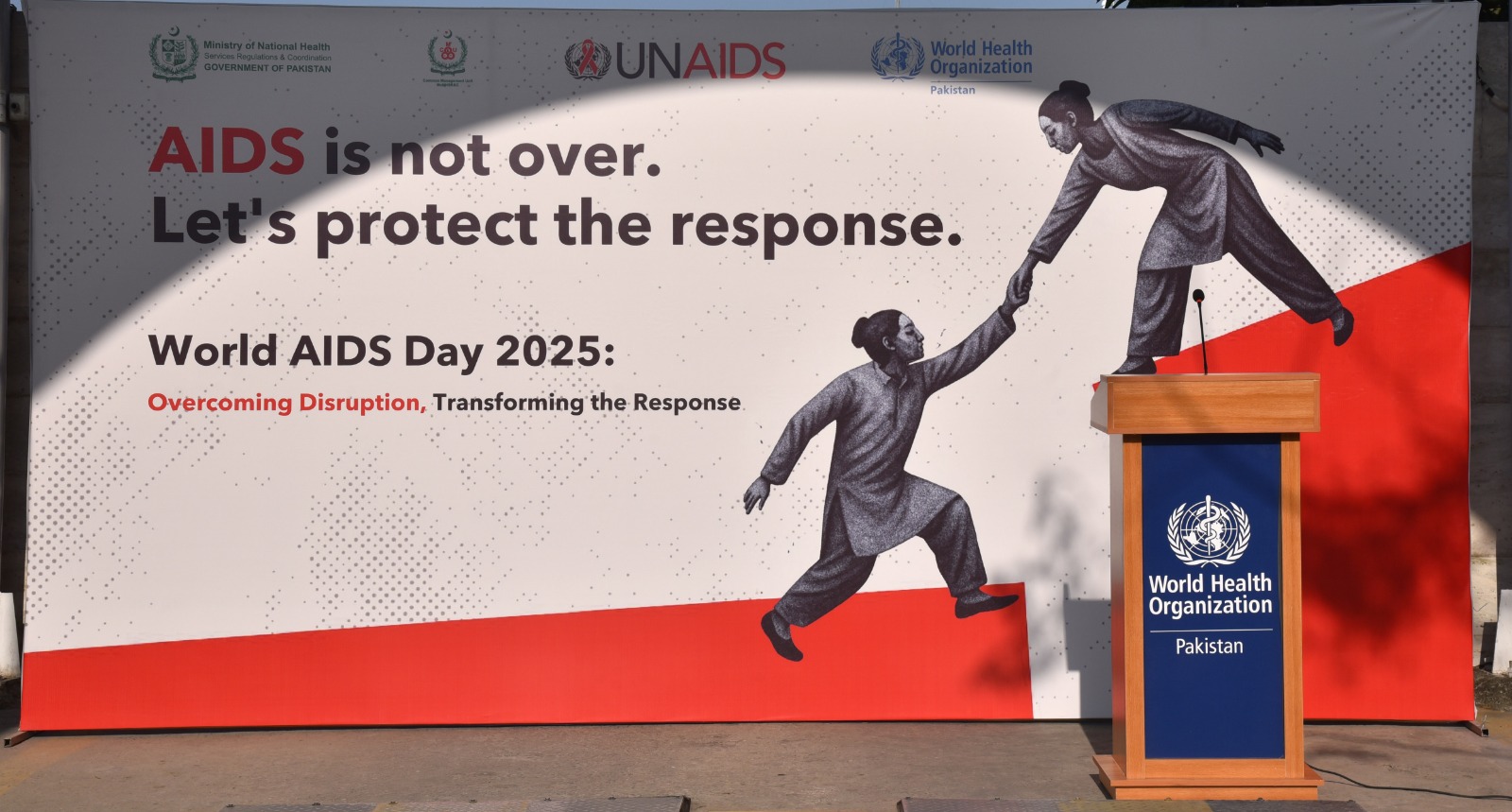
On World AIDS Day 2025, we reaffirm that HIV prevention is simple, effective and life-saving. Strengthening safe practices such as using sterile injections, ensuring certified blood, accessing PrEP and PEP, and rejecting harmful myths can significantly reduce transmission. HIV does not spread through casual contact, and informed communities remain protected. By rebuilding awareness, rethinking risky behaviours and rising together with compassion and responsibility, we can overcome disruption, close prevention gaps and move Pakistan closer to ending HIV.

Understanding How HIV Spreads

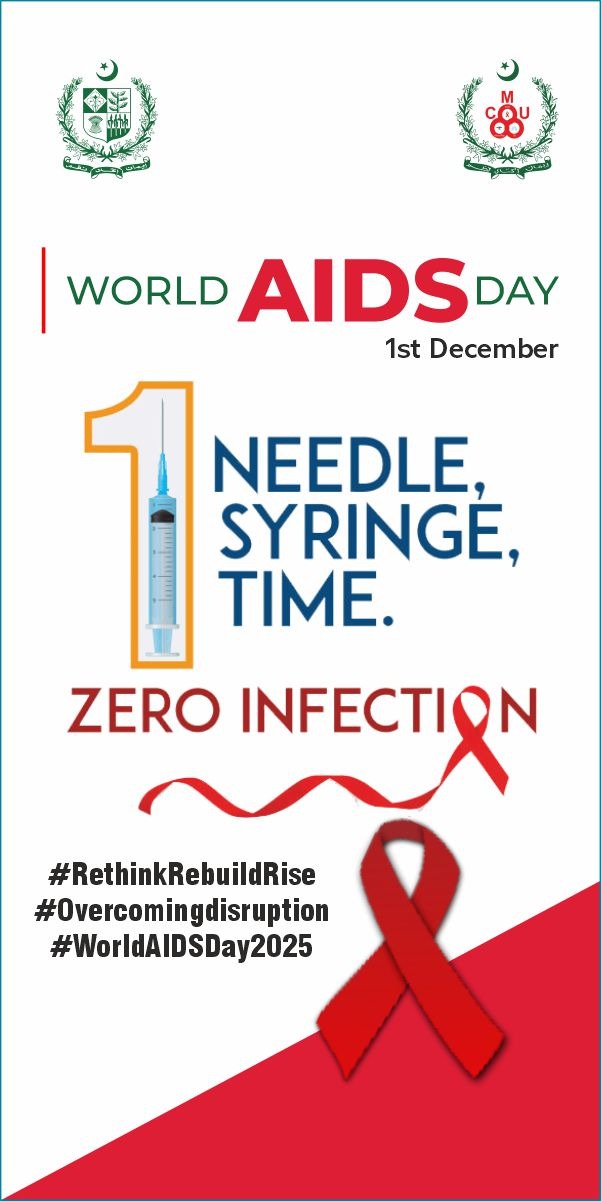
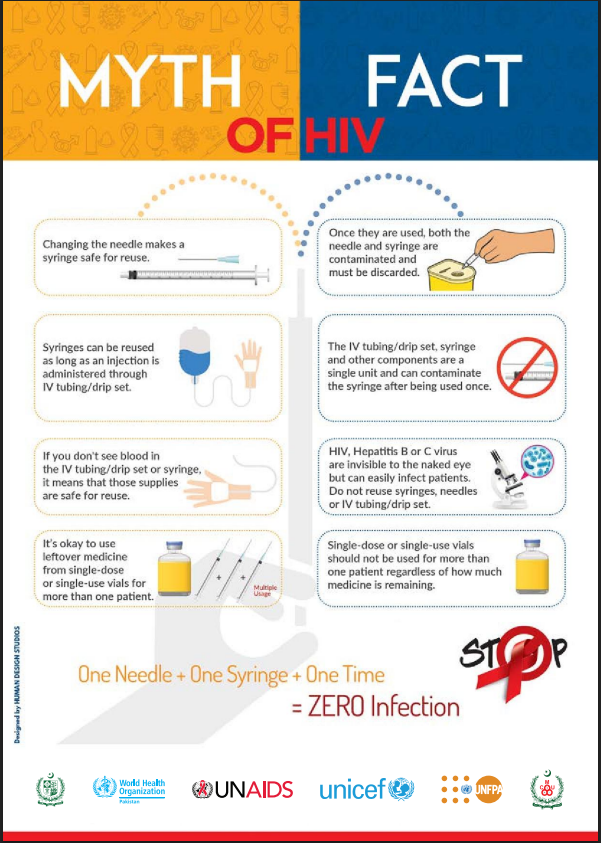
Why One Needle, One Syringe, One Time Matters

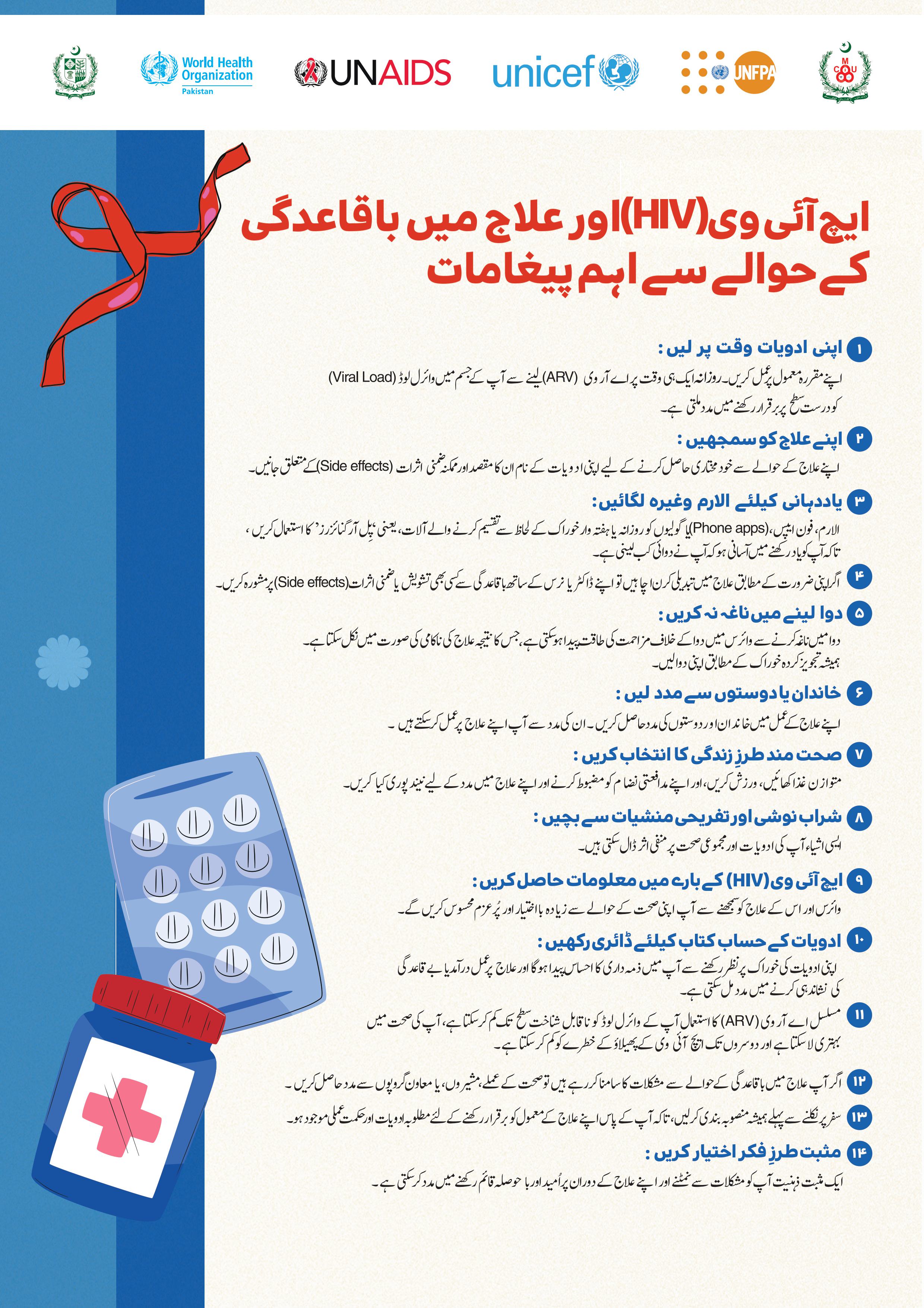
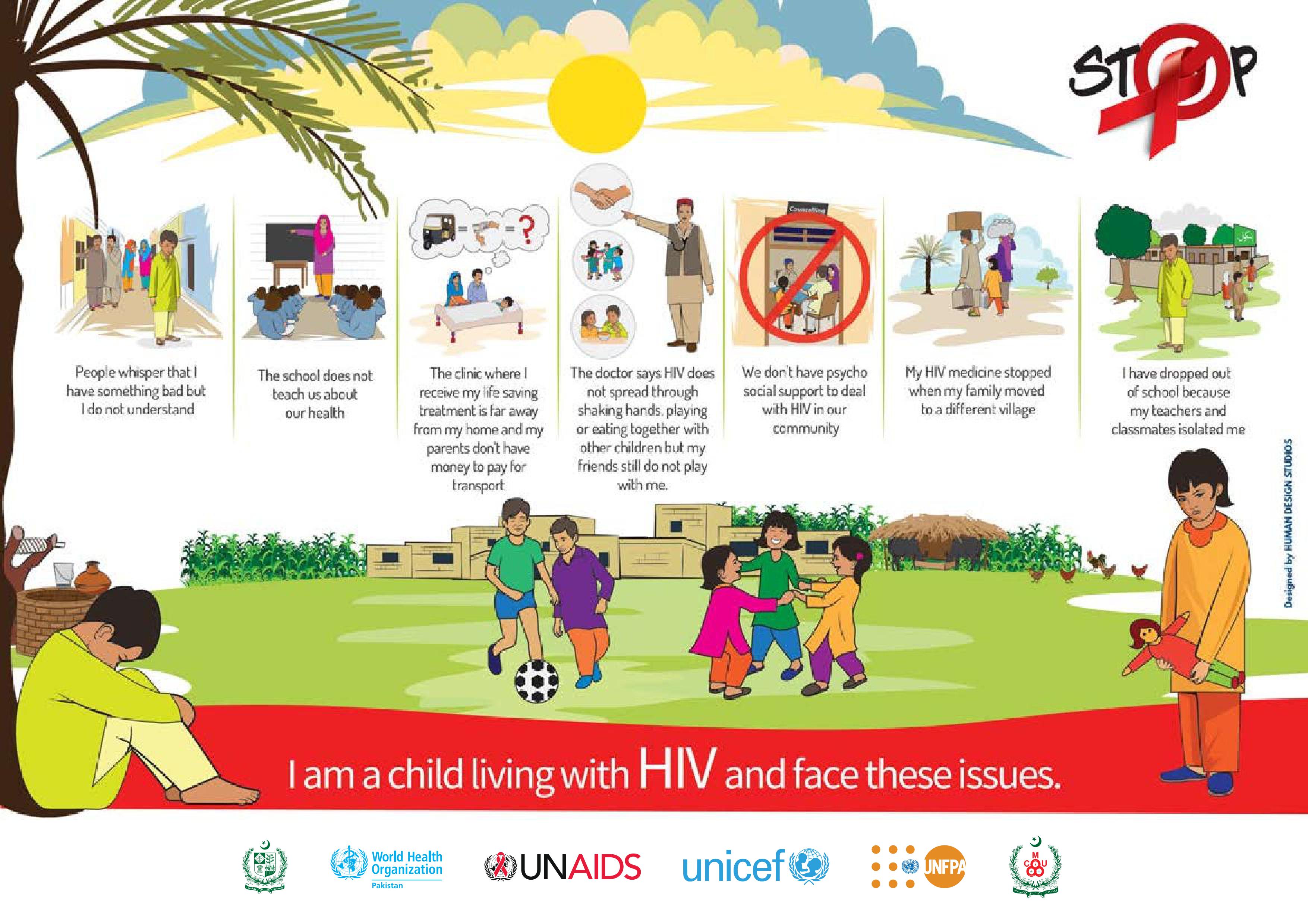
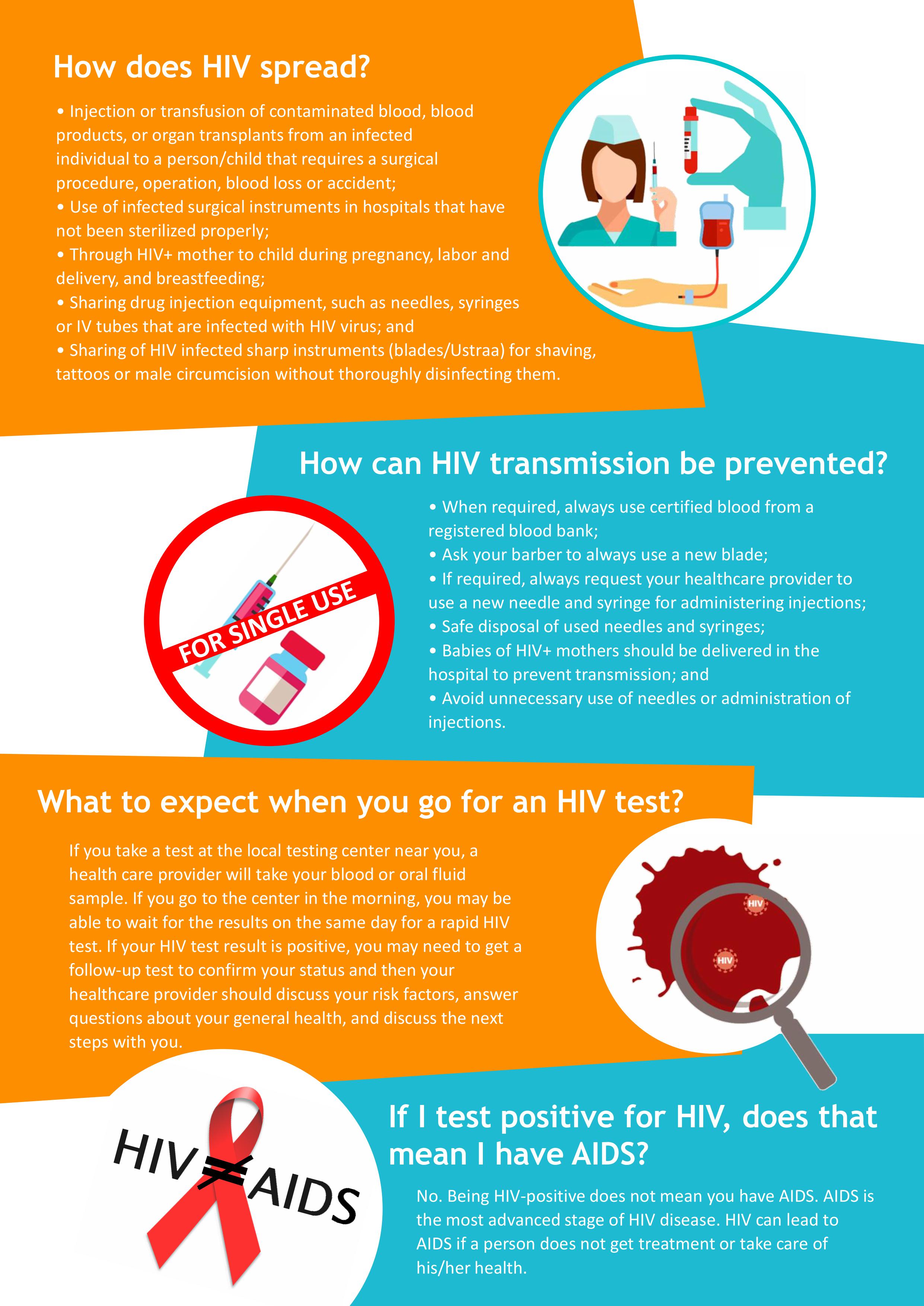
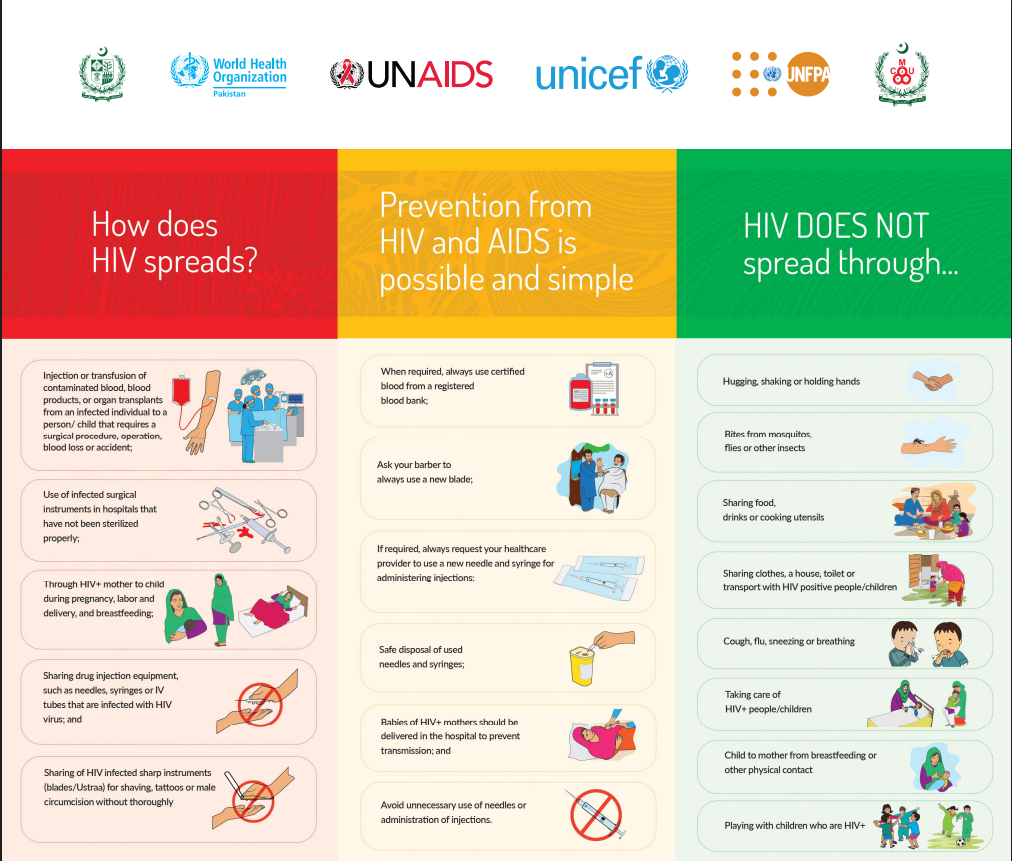
HIV spreads only through specific routes such as unsafe injections, infected blood, shared needles and mother-to-child transmission. Prevention becomes possible when people know the real risks. HIV does not spread through touch, shared food or daily interactions. Clear understanding reduces fear, corrects misconceptions and forms the foundation of effective prevention.

Prevention Through PrEP: Protection Before Exposure

Unsafe injections remain a major driver of HIV. Once a needle or syringe is used, it becomes contaminated, even if blood is not visible. Reusing any injection equipment can transmit HIV and other infections. One needle, one syringe, one time is the simplest, most effective rule for zero transmission.

Prioritising Health With PrEP

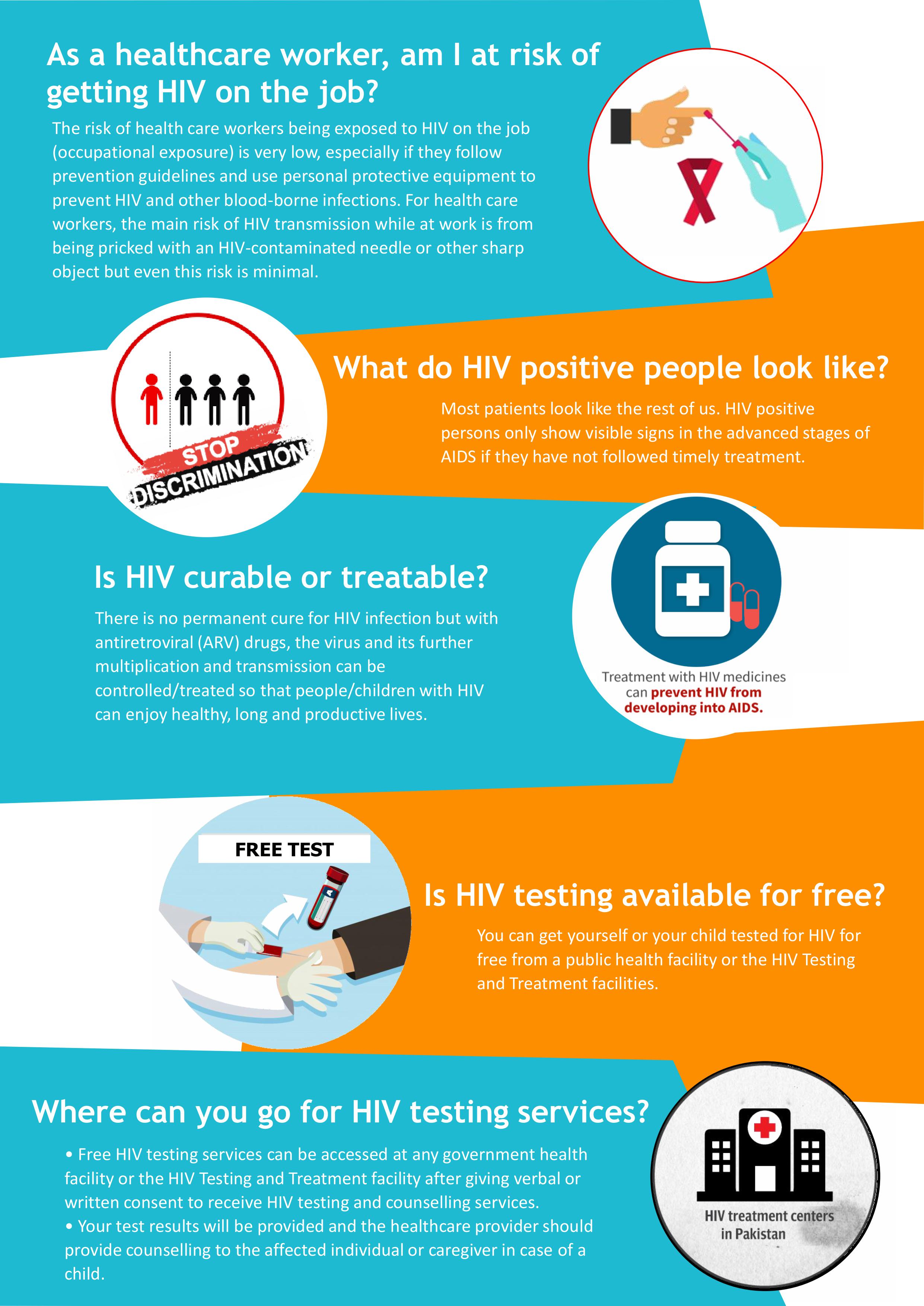
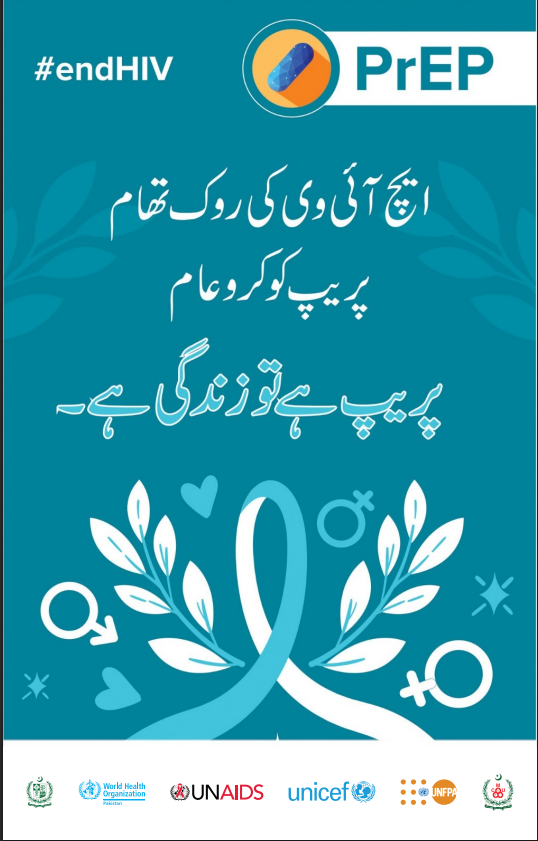
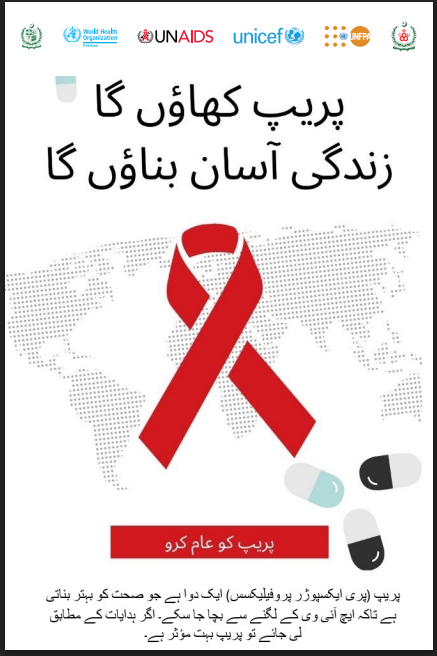
PrEP is a safe and highly effective medicine that protects people at risk before exposure to HIV. When taken consistently, it significantly reduces the chance of infection. Making PrEP accessible and widely understood empowers individuals to safeguard their health and strengthens the national effort to prevent new HIV cases.

Addressing HIV as a Silent Threat

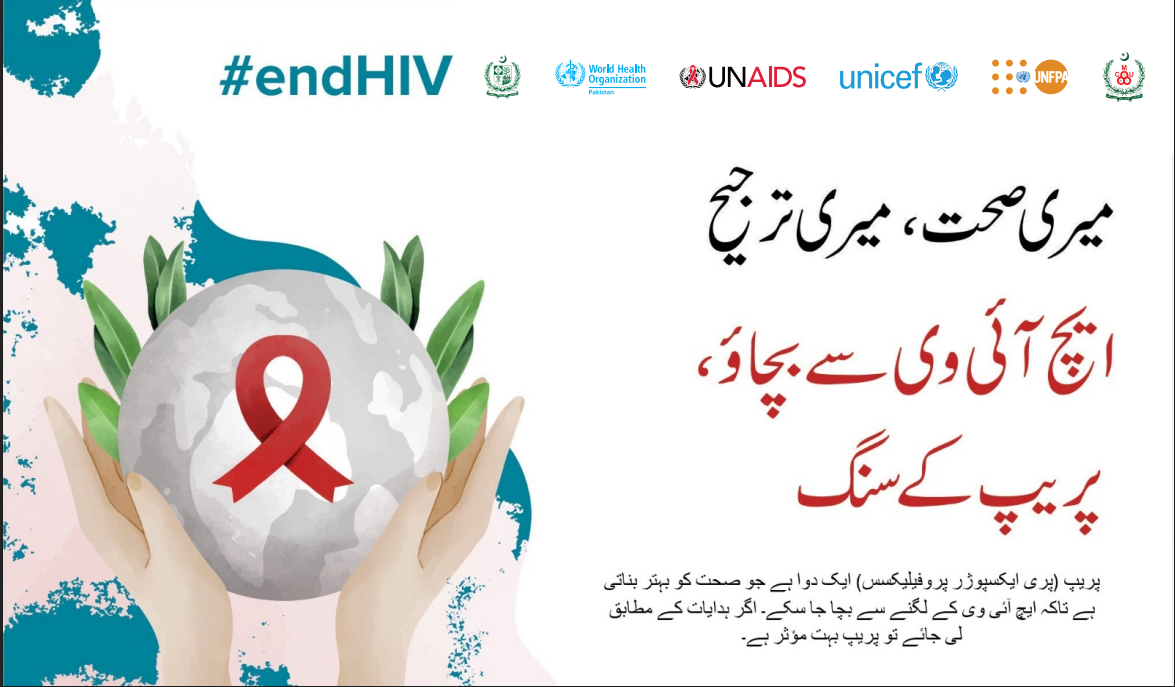
Placing health first means using every available prevention tool. PrEP is one of the strongest protections for people who may be exposed to HIV. When taken as recommended, it prevents infection and supports healthier futures. Awareness and informed choices help reduce new infections and keep communities protected.

Knowing the Difference Between PrEP and PEP

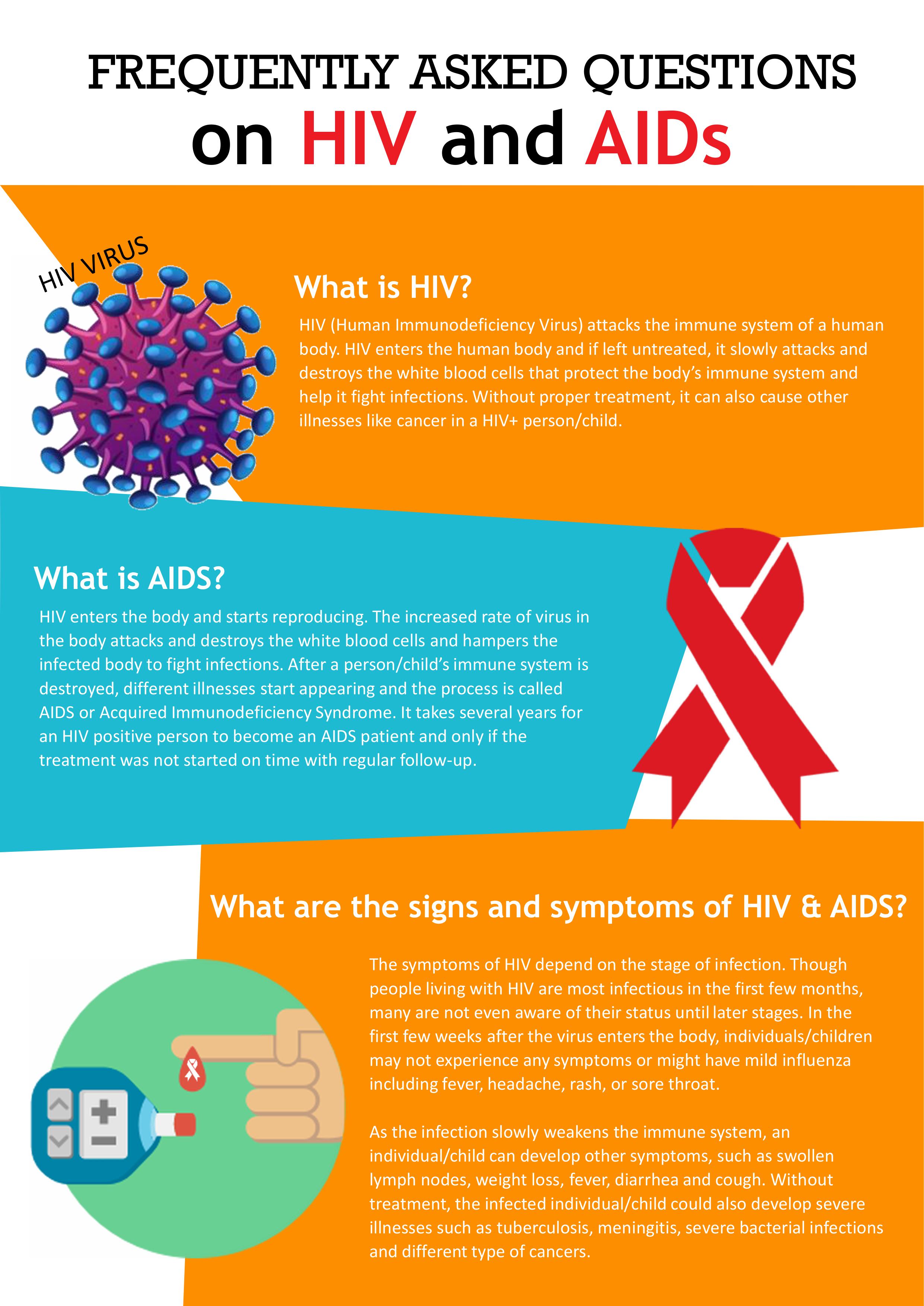
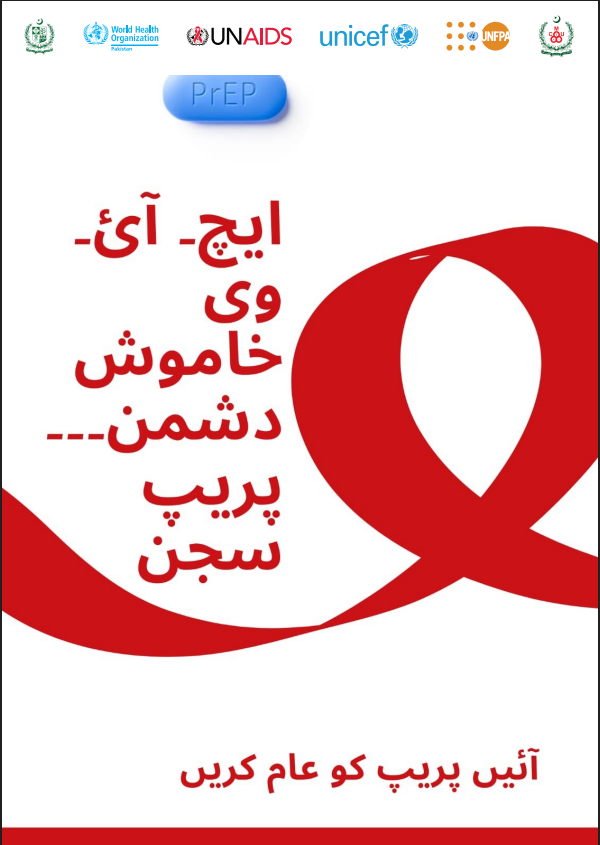
HIV often progresses silently, making prevention even more essential. PrEP provides proactive protection for those at risk. By increasing community awareness and normalising PrEP, we can reduce stigma, prevent infection and empower individuals to take control of their health before the virus ever has a chance to cause harm.

PrEP Makes Life Safer and Healthier

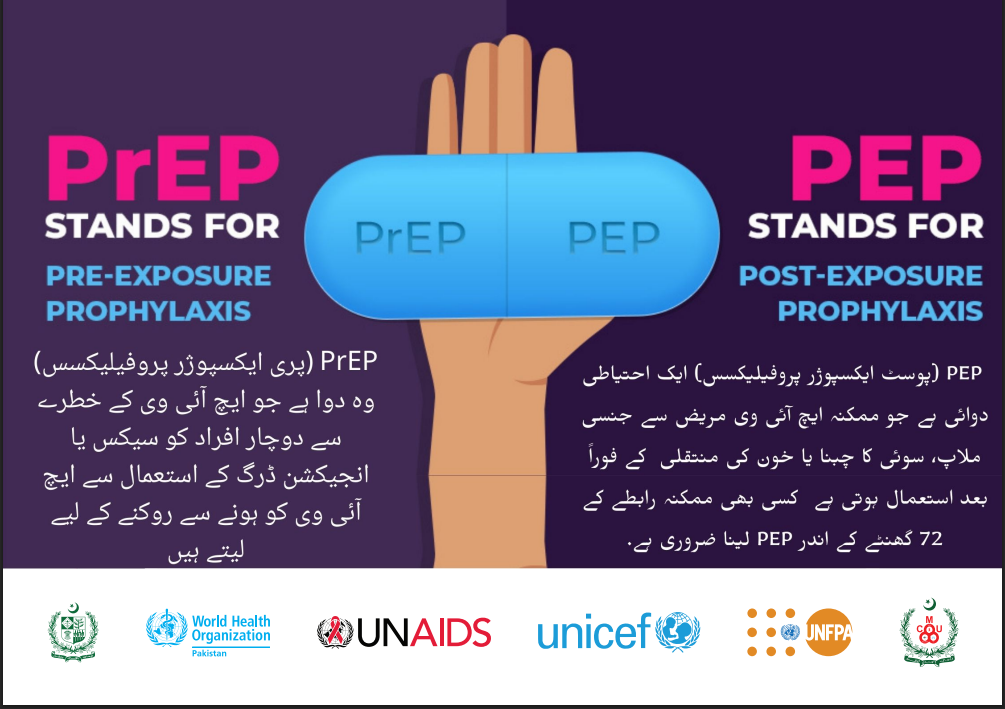
PrEP protects before exposure, while PEP is used after possible exposure and must begin within 72 hours. Understanding the difference helps people act quickly and appropriately. Both medicines are effective when used correctly, making timely action and awareness key to preventing HIV transmission and protecting individuals and communities.
When taken as advised, PrEP lowers HIV risk and allows people to live with greater confidence and safety. Promoting PrEP awareness nationwide strengthens prevention, reduces new infections and empowers individuals to protect both themselves and their loved ones. Prevention today leads to healthier communities tomorrow.

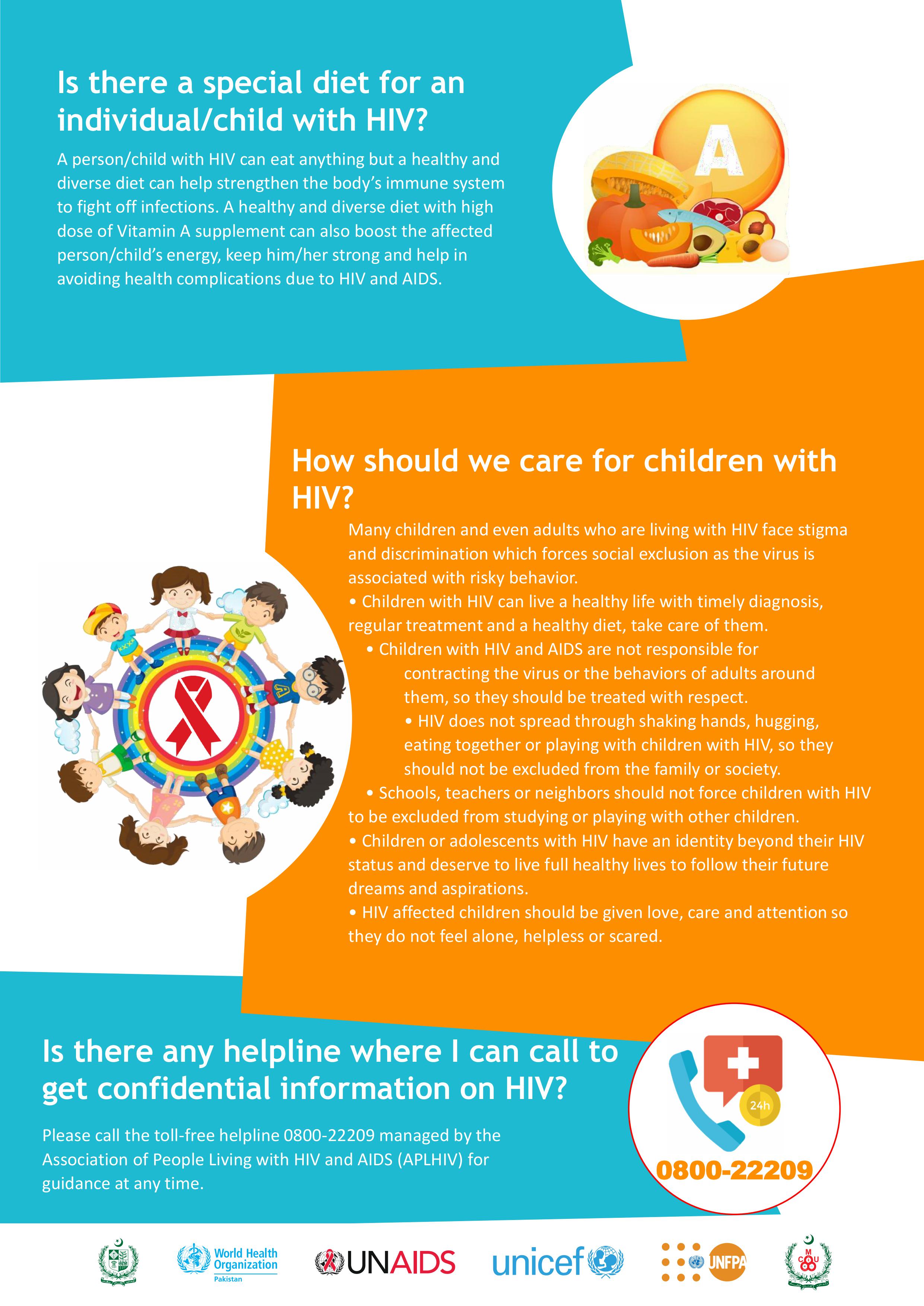
As Pakistan strives to strengthen its HIV response, prevention remains our most powerful tool. By rebuilding awareness with accurate information, rethinking harmful practices like unsafe injections and stigma, and rising together through compassion and responsible action, we can overcome disruption in health services and societal attitudes. A united, prevention-focused approach brings us closer to ending HIV for future generations.

Categories
News

DG Health Launches National Social Media Campaign for World AIDS Day 2025

DG Health Launches National Social Media Campaign for World AIDS Day 2025
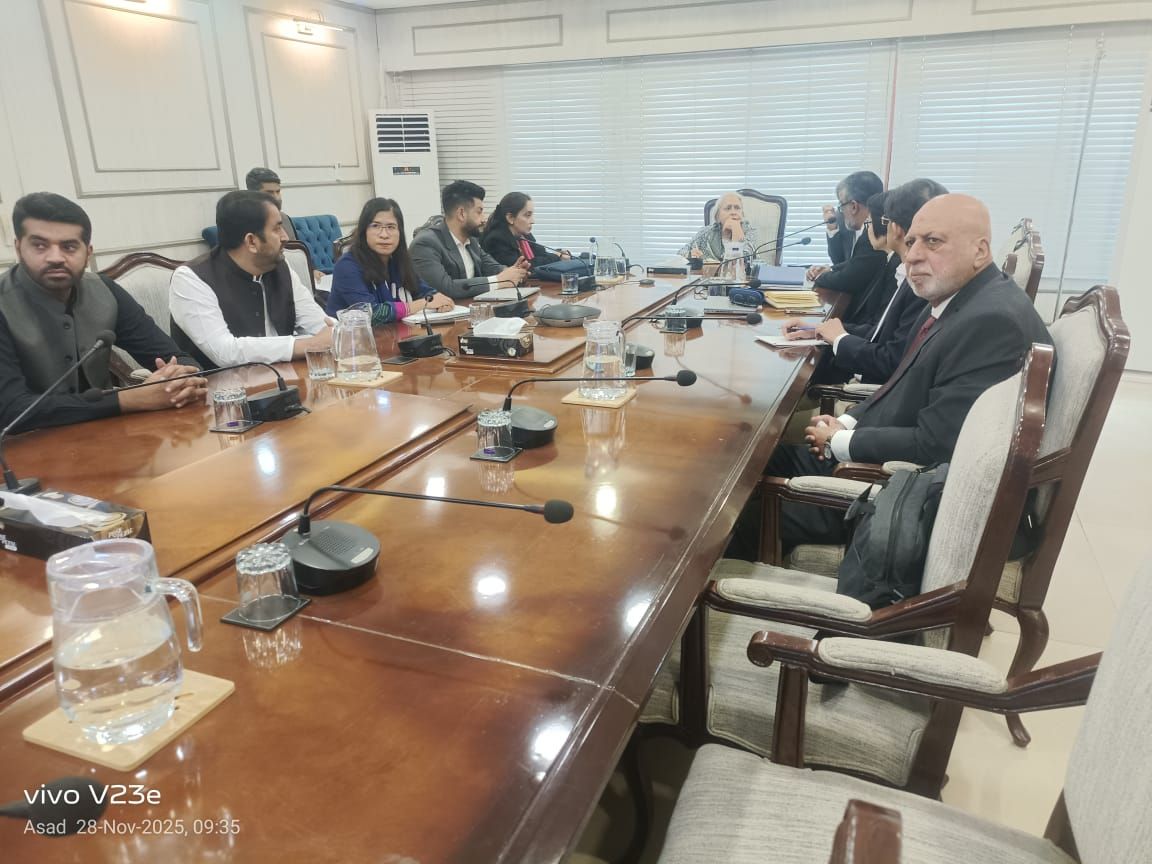
Islamabad, 28 November 2025 — The Common Management Unit for AIDS, TB & Malaria (CMU) – National AIDS Control Program (NACP), Ministry of National Health Services, Regulations & Coordination in collaboration with UNAIDS officially launched its Social Media Campaign today in connection with the upcoming World AIDS Day 2025.
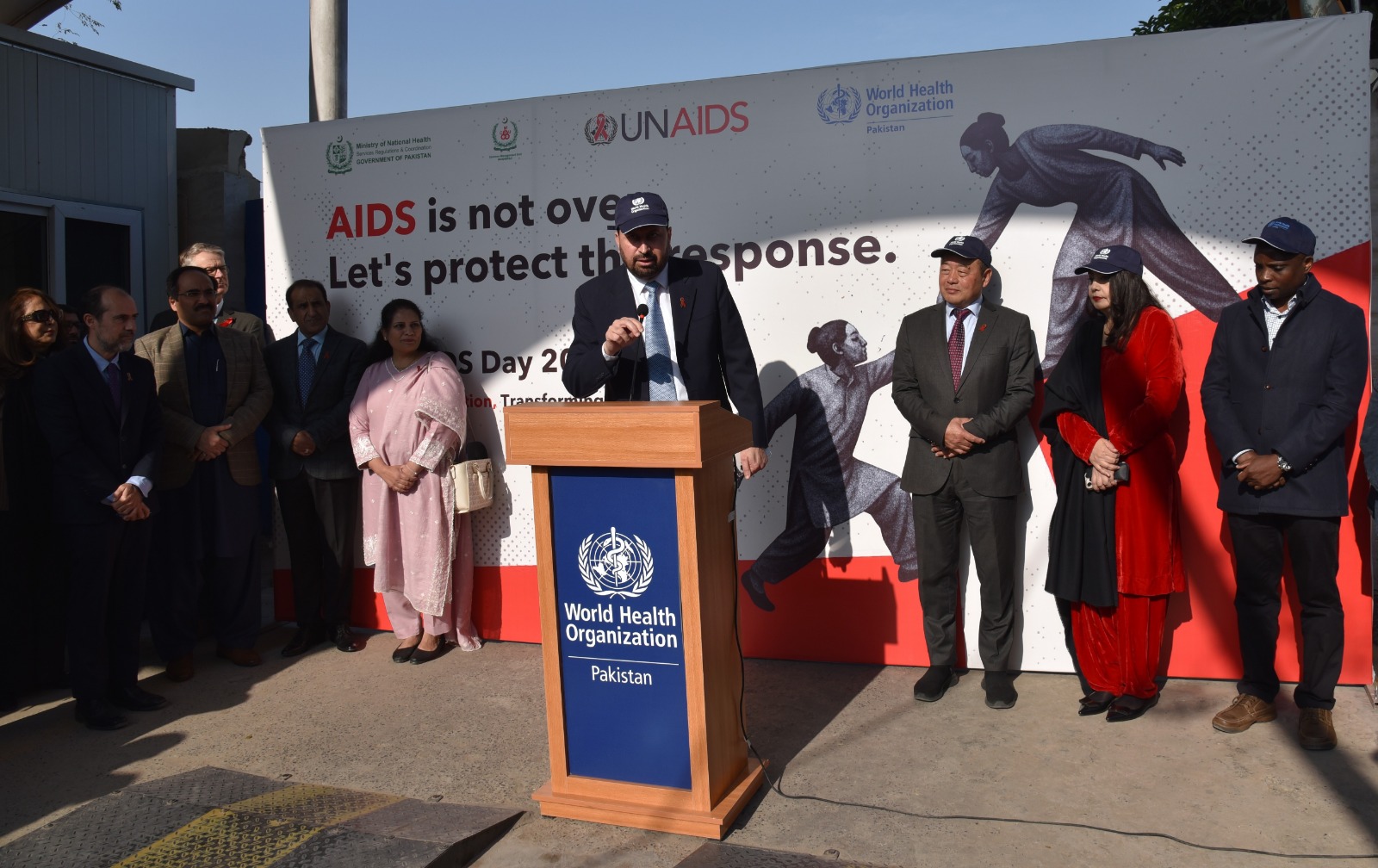
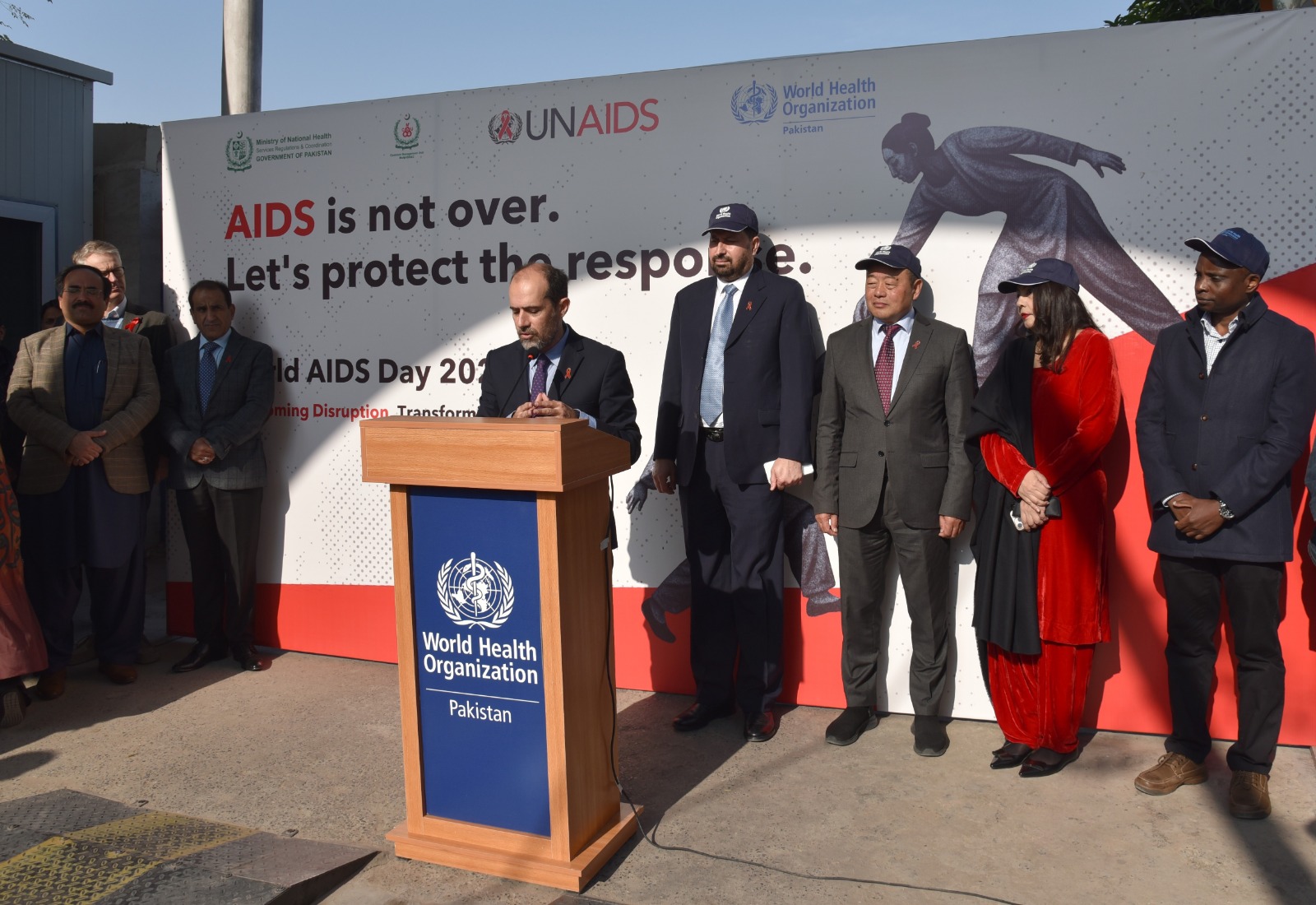
The campaign was formally inaugurated by Prof Dr Ayesha Isani Majeed (PHD Public Health) Director General Health Services, Ministry of NHSR&C, at a ceremony held at the DG Health Office, Kohsar Block, Pak Secretariat, Islamabad. The event brought together key partners and stakeholders committed to accelerating national efforts to end AIDS.
Representatives from UNAIDS, UNICEF, APLHIV and WHO attended the launch, reaffirming their collective support for enhanced awareness, prevention, and response initiatives across Pakistan.
Speaking at the event, Prof Dr Ayesha Isani Majeed emphasized the crucial role of strategic communication in combating stigma, promoting testing and treatment, and engaging communities. She highlighted the government’s ongoing commitment to strengthening HIV prevention and control measures nationwide.
The Social Media Campaign aims to amplify public awareness leading up to World AIDS Day 2025, focusing on empowering communities, promoting early testing, and encouraging adherence to treatment for people living with HIV.
Categories
News

Pakistan TB JPRM Inception Meeting

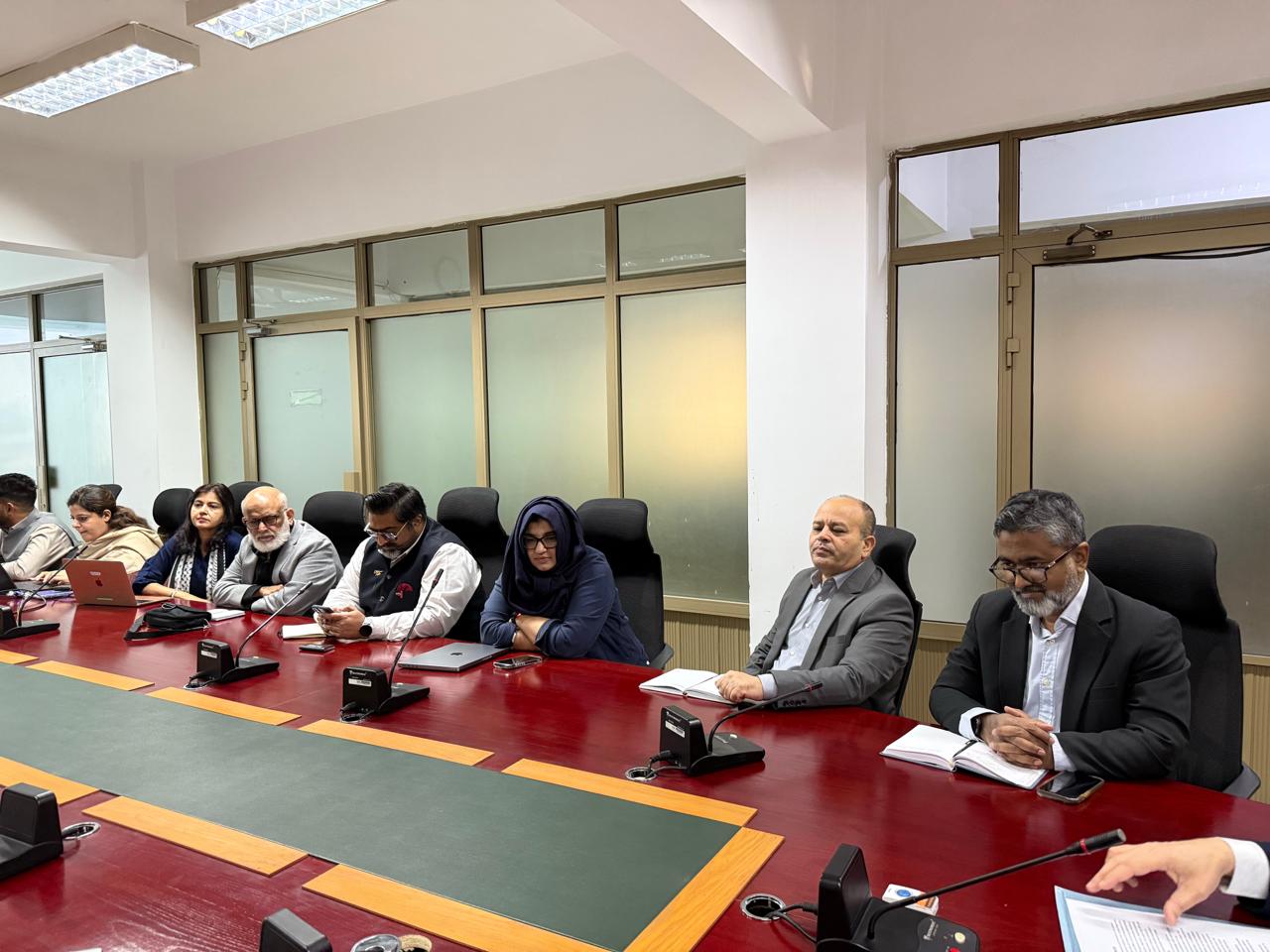
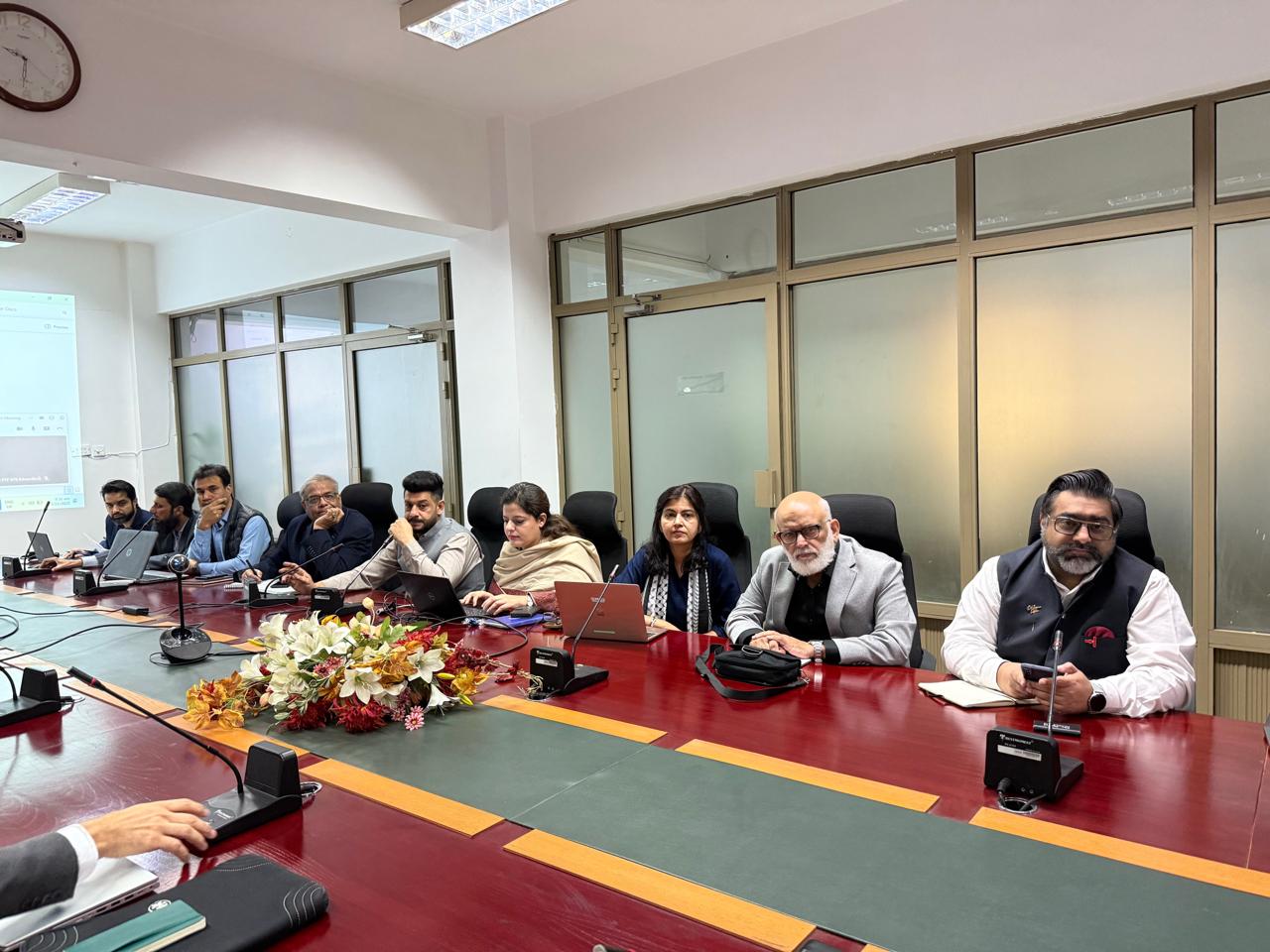
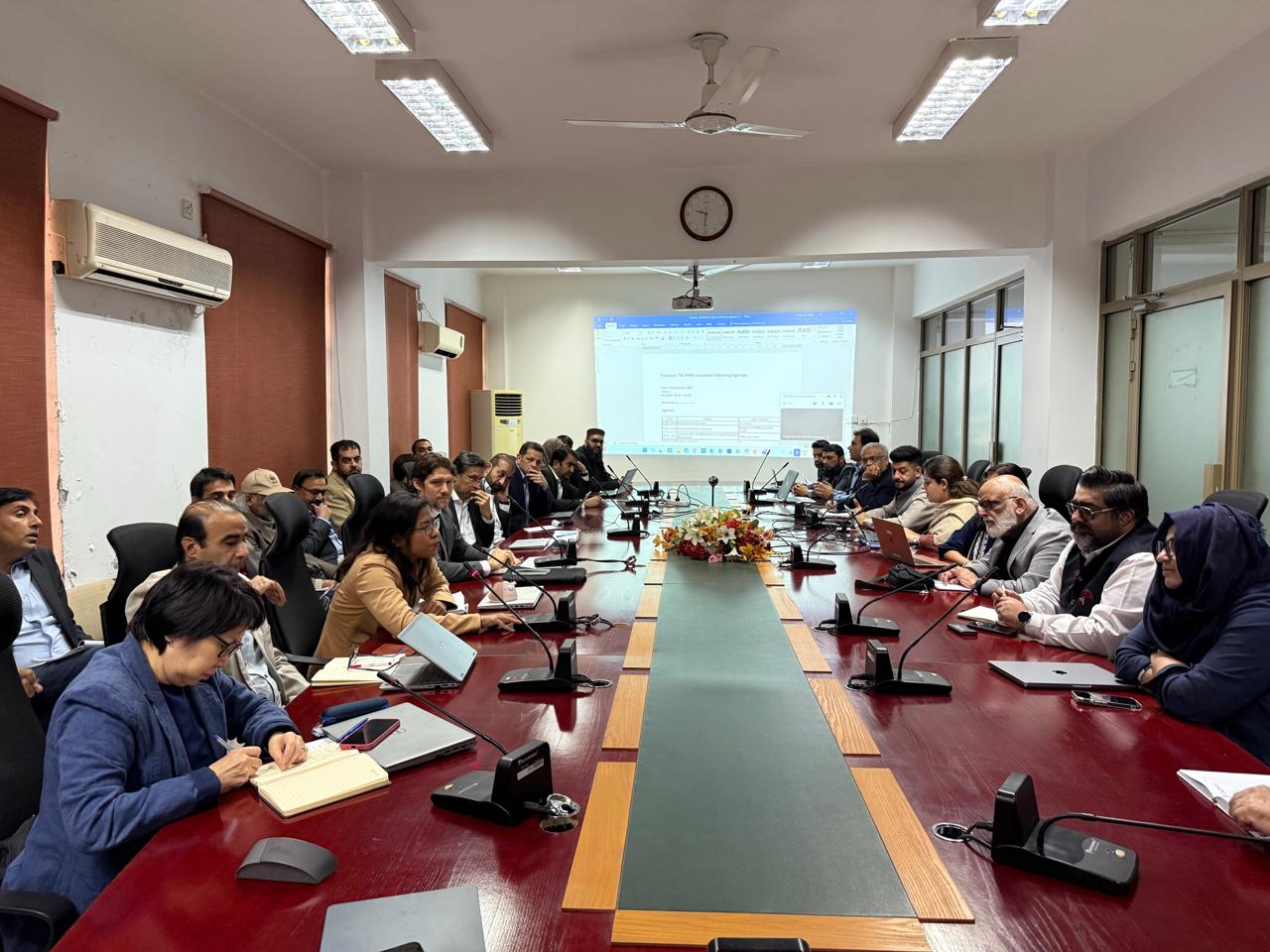
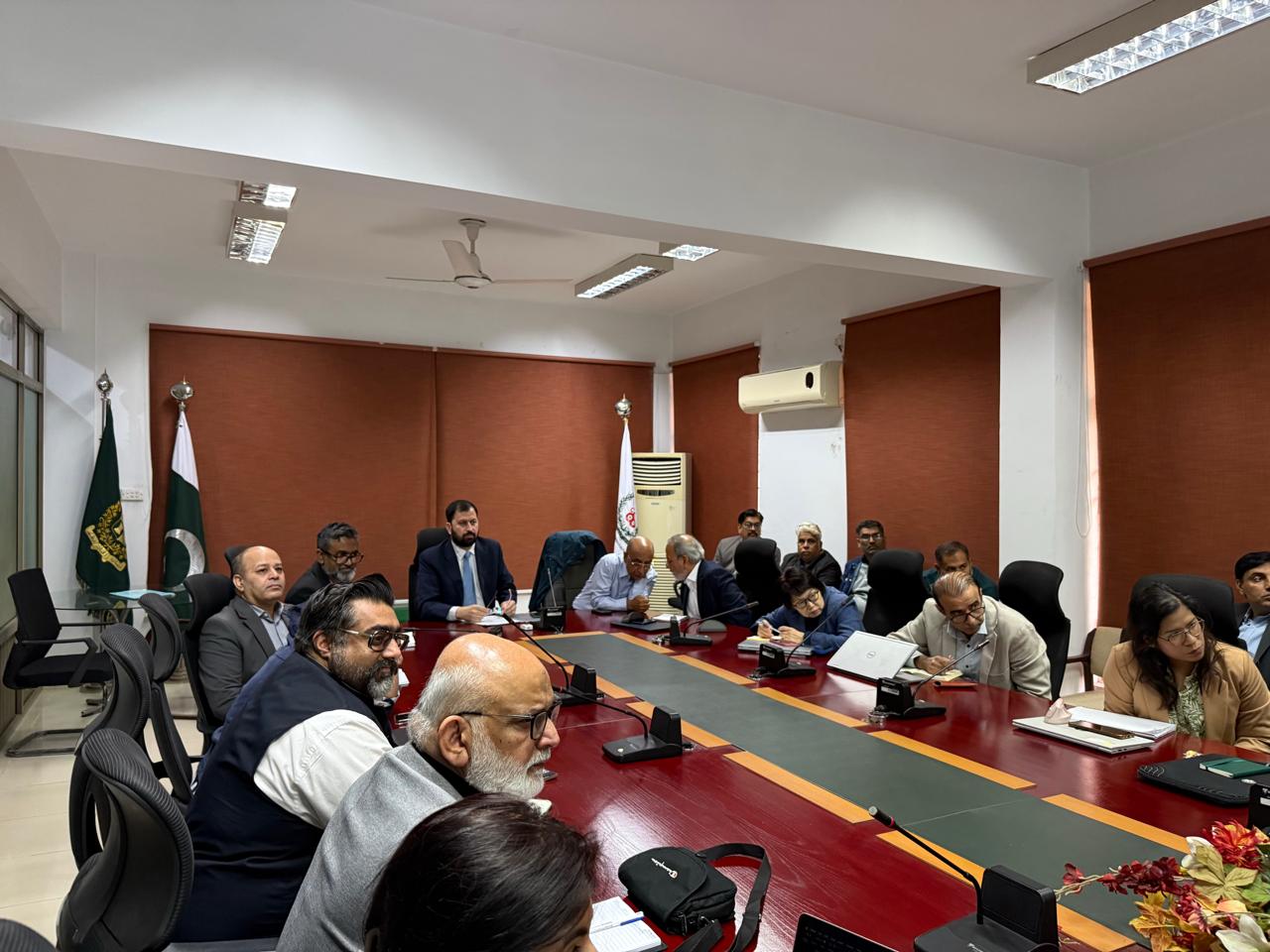
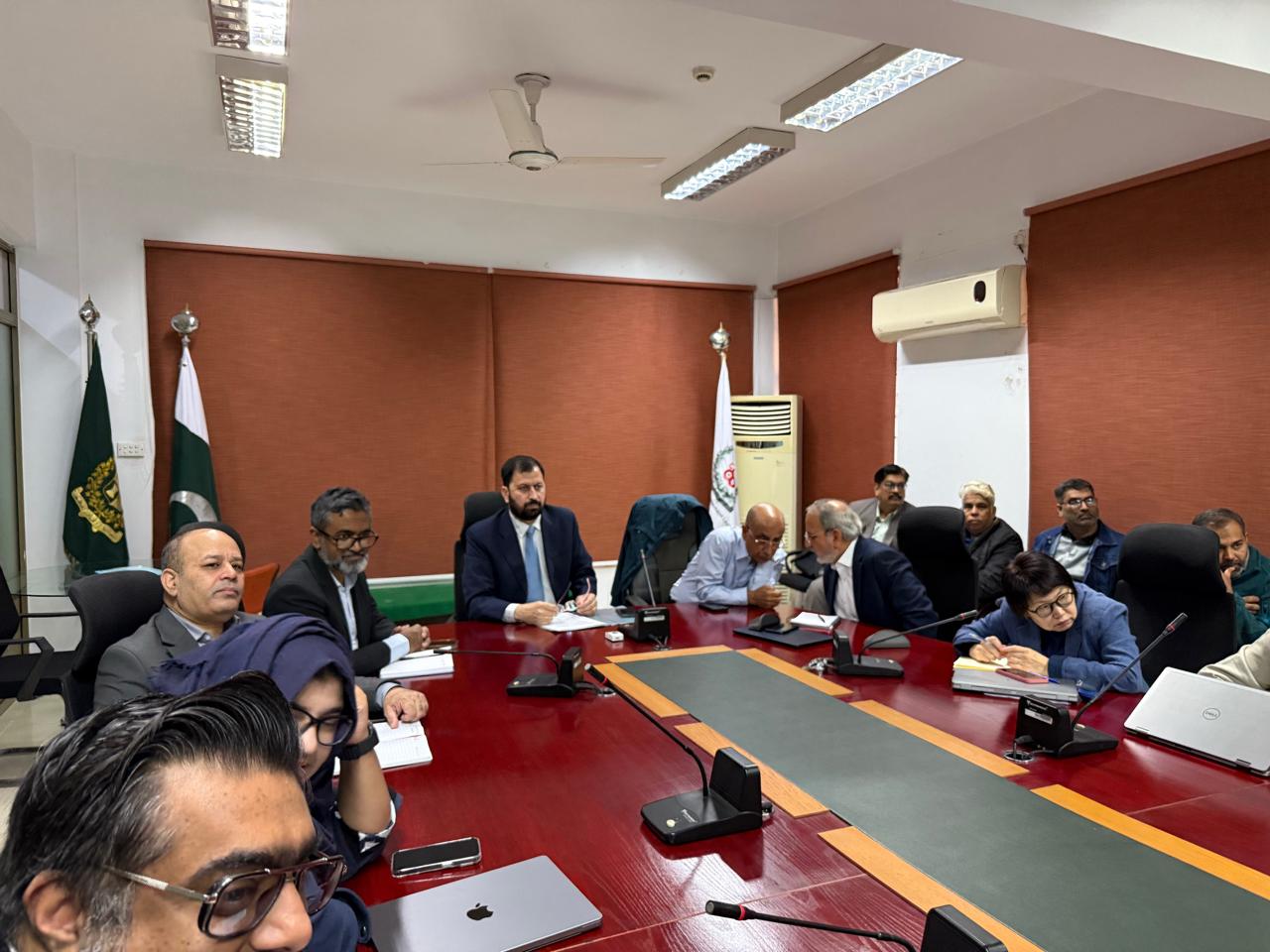
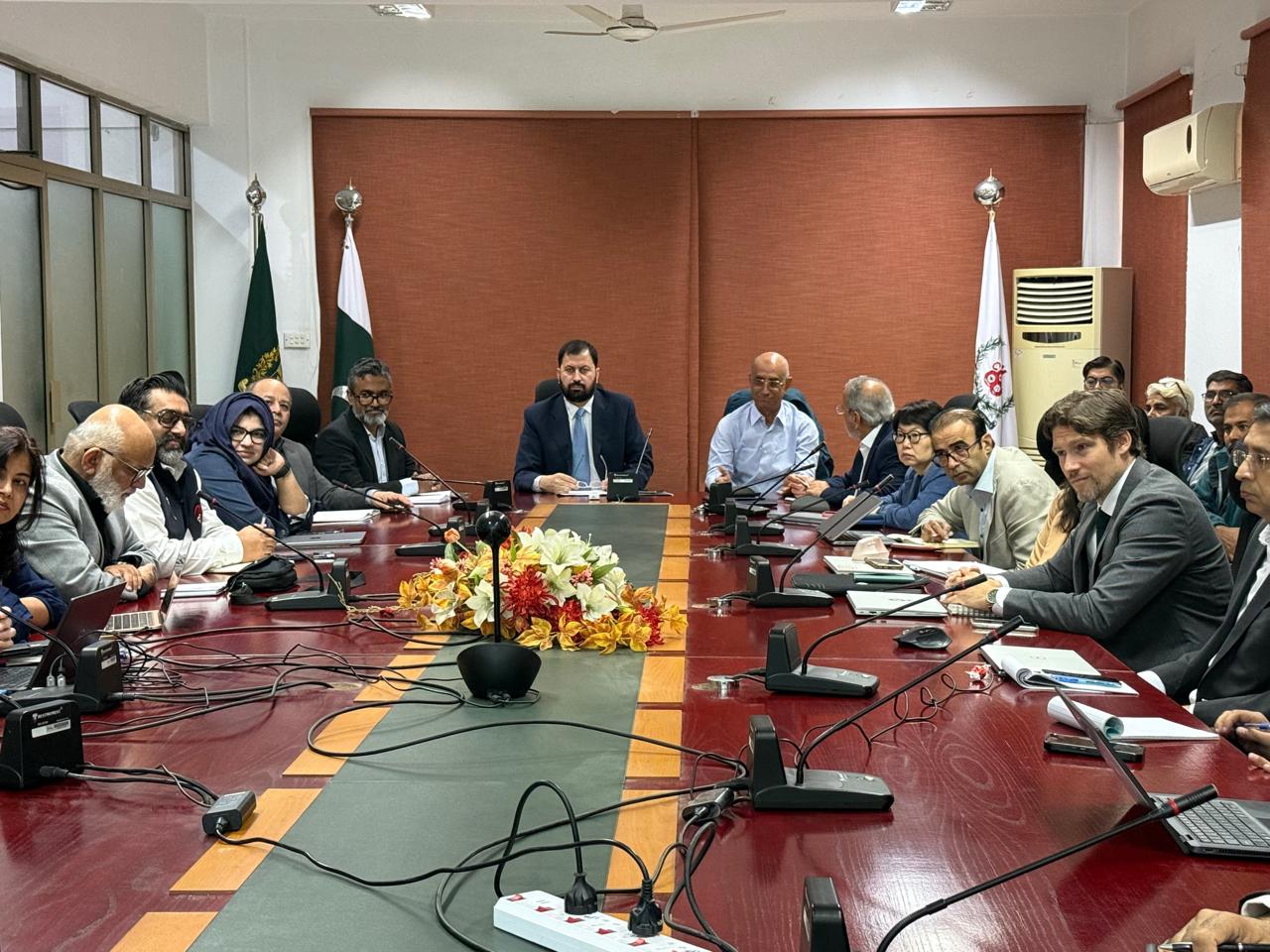
The Pakistan TB JPRM Inception Meeting was held on 25 November 2025 at CMU, chaired by the Deputy National Coordinator CMU. The session brought together federal and provincial teams to review the objectives, methodology, and programme achievements, followed by discussions on partner commitments, thematic allocations, provincial visit planning, review tools, and logistical arrangements.
Categories
News

High-Level Bilateral Engagements at The Union Conference, Copenhagen

High-Level Bilateral Engagements at The Union Conference, Copenhagen
Muhammad Aslam Ghauri, Special Secretary at the Ministry of National Health Services, Regulations & Coordination (MoNHSRC), under the vision of Federal Minister Syed Mustafa Kamal, MoNHSR&C held a series of high-level bilateral meetings on the side-lines of The Union Conference in Copenhagen, Denmark.
He engaged with:
  • Dr. Tereza Kasaeva, Director, Global TB Programme, WHO Headquarters
  • Dr. Lucica Ditiu, Executive Director, Stop TB Partnership (STP)
  • Professor Guy Marks, President, The Union Geneva
The discussions, attended by Dr. Abdul Wali Khan, Deputy National Coordinator-CMU, Dr. Karam Shah, Senior Technical Advisor, Dopasi Foundation and Mr. Zaher Ahmed, Chief Finance Officer-CMU focused on strengthening collaboration for TB control and lung health initiatives.
These strategic engagements underscore Pakistan’s commitment to global TB partnerships and advancing lung health.
Categories
News

HIV/TB Collaborative Capacity Building Workshop

One-Day HIV/TB Collaborative Capacity Building Training on Overcoming Barriers for Strengthening Integrated Service Delivery was held on 12th November 2025 at Regalia Hotel, Islamabad, under the leadership of Dr Abdul Wali, Deputy National Coordinator CMU.

The event featured key moments from expert sessions, live demonstrations, and interactive group discussions, conducted with the support of the Ministry of National Health Services, Regulations & Coordination and the Common Management Unit (CMU).

Categories
News

Prevention of Parent to Child Transmission of HIV/ AIDS and Children living with HIV Management.

A focused session on Prevention of Parent-to-Child Transmission (PPTCT) of HIV and Management of Children Living with HIV was held under CMU. The Deputy National Coordinator highlighted strengthening maternal services, early diagnosis, and paediatric ART access to eliminate vertical transmission and ensure no child in Pakistan is born with HIV.

Categories
News

Senior Leadership Reviews Pakistan’s HIV Response in High-Level Meeting

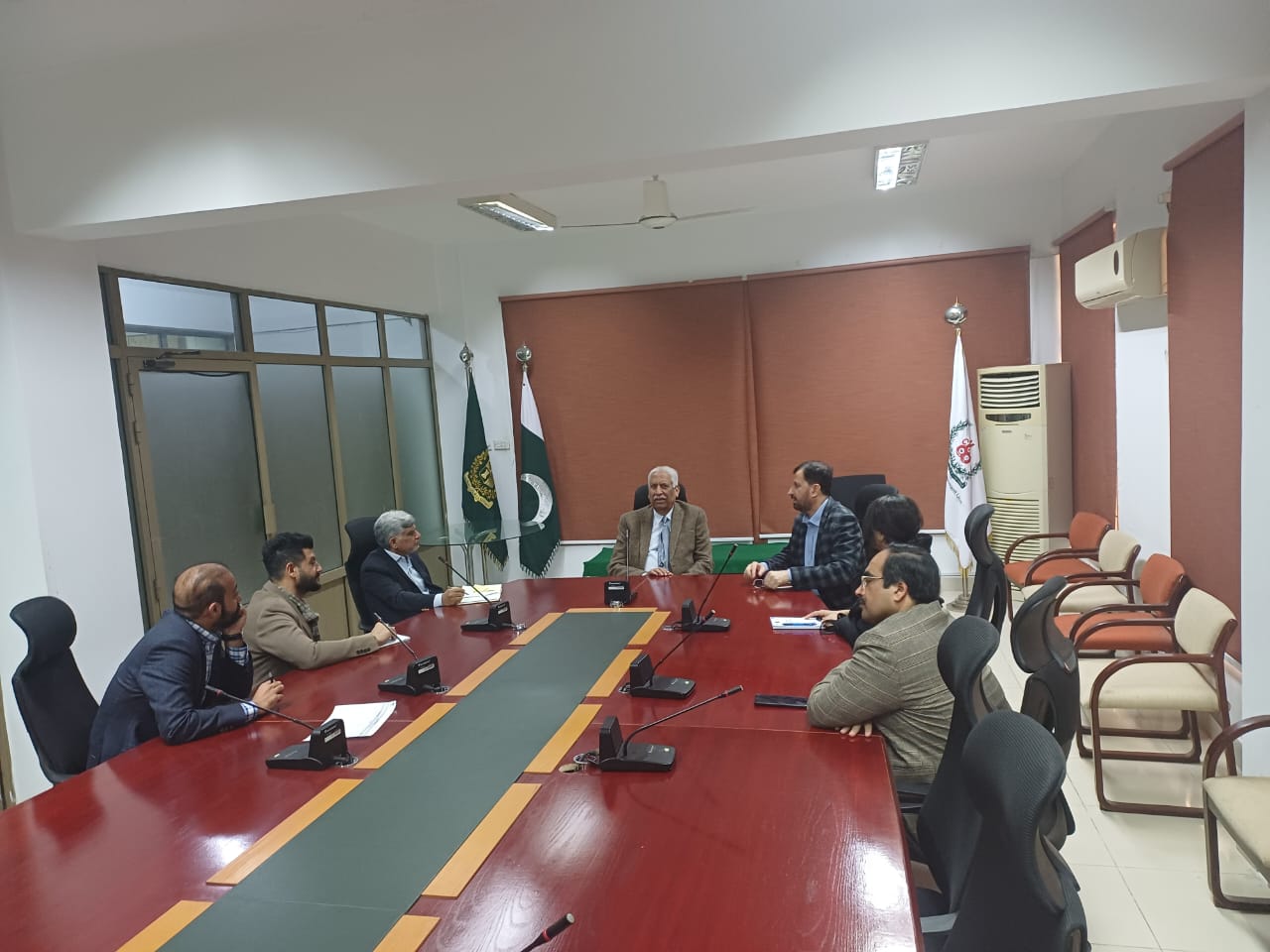
Senior leadership at M/o NHSR&C held a high-level meeting on 4th Nov. 2025 to review Pakistan’s HIV response. Multiple stakeholders including UN Partners and Community Representatives attended the meeting.

Categories
News

Strengthening TB Diagnostic and Screening Collaboration: DNC Chairs Key Meeting with Mercy Corps

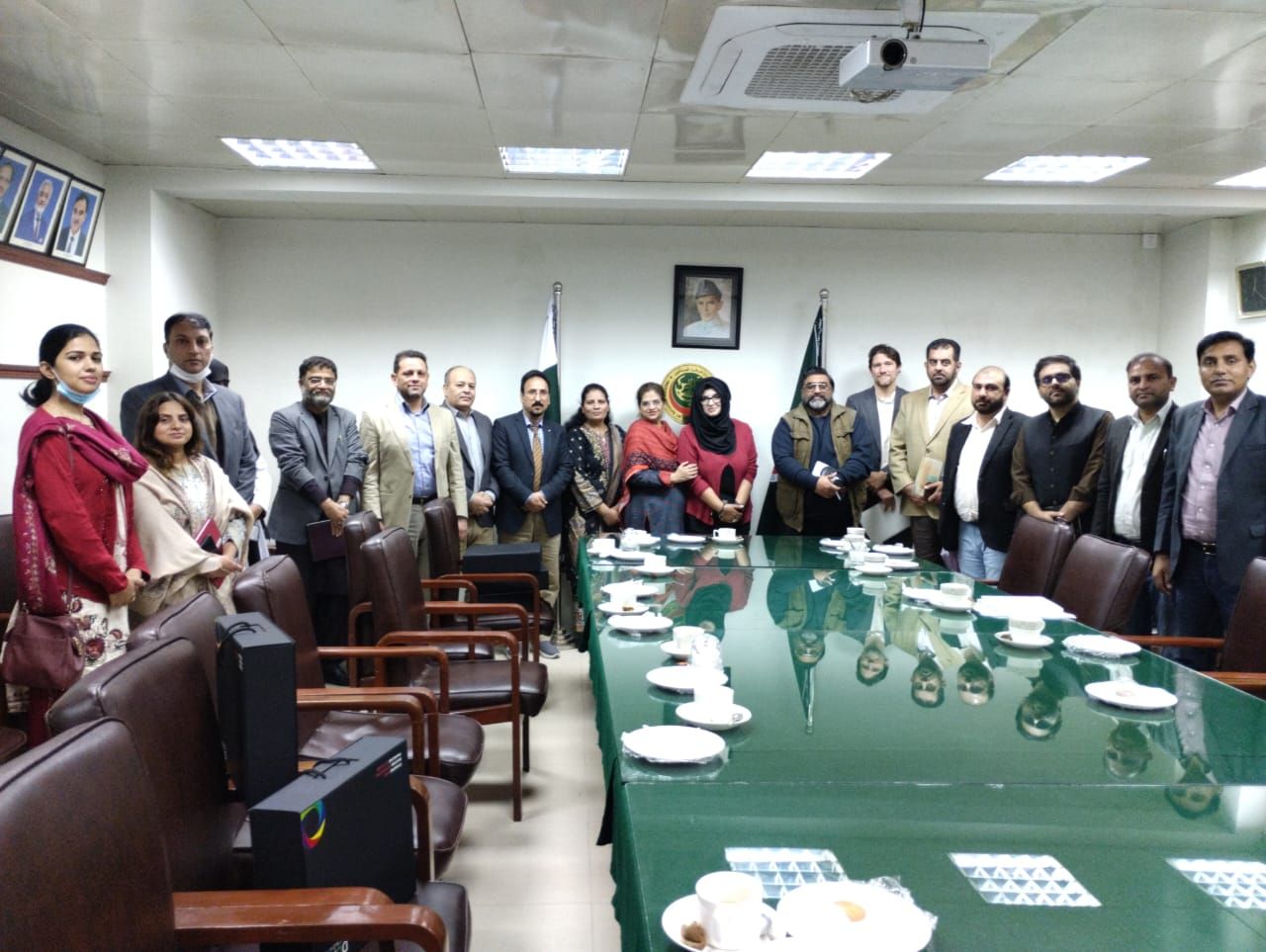
Dr. Muhammad Ayyaz Mustafa, Deputy National Coordinator (DNC), chaired a meeting with key stakeholders from Mercy Corps to discuss the validation of TB Diagnostic and Screening Tools, reinforcing CMU’s commitment to strengthening Pakistan’s national TB response. The meeting focused on improving diagnostic accuracy, harmonizing screening protocols, and aligning validation processes with WHO-recommended standards to ensure quality and reliability across the country. Dr. Mustafa emphasized the importance of evidence-based collaboration between CMU and implementing partners like Mercy Corps to enhance early TB detection and optimize the use of diagnostic resources. The discussion concluded with a shared resolve to accelerate the validation roadmap and foster stronger inter-agency coordination to advance Pakistan’s goal of ending TB through innovation, quality assurance, and collective action.
Categories
News

CMU Hosts First-Ever National Training on Strengthening Pharmacovigilance for TB, HIV/AIDS & Malaria

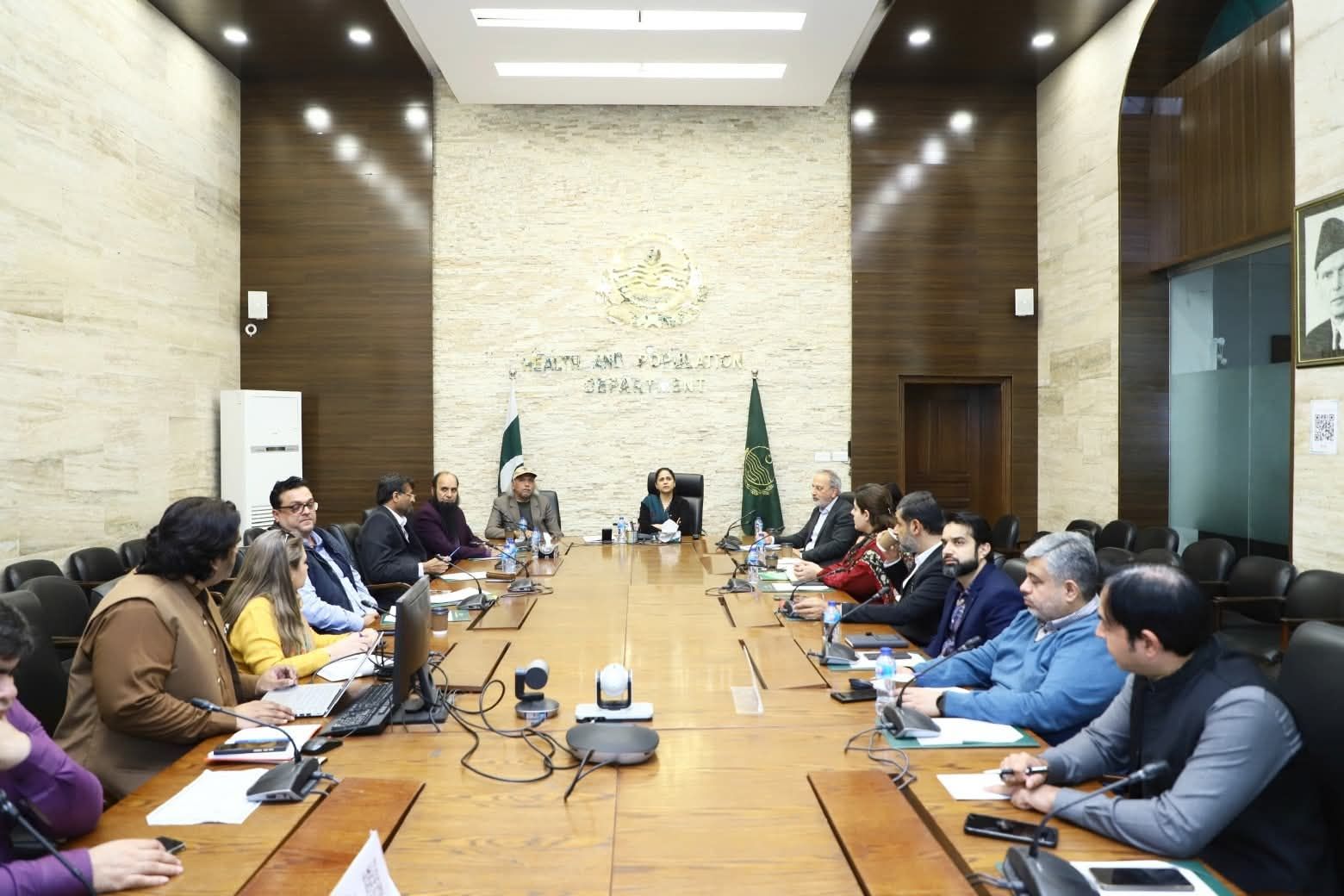
The first-ever national training on Strengthening Pharmacovigilance for TB, HIV/AIDS, and Malaria was successfully hosted by the Common Management Unit (CMU) on 29 September 2025 at Best Western Premier Hotel Islamabad.
This landmark event brought together key stakeholders from DRAP, WHO, UNDP, ACD, Mercy Corps, and Indus Health Network to build capacity in ADR reporting, VigiFlow utilization, and active drug safety monitoring.
Led by Dr. Seema Saifuddin, Ms. Sania Nawaz Khan, and Ms. Hafiza Ayesha Hameed, the training featured expert sessions, live demonstrations, and collaborative dialogue. Special thanks were extended to the DRAP team, including Dr. Akhtar Abbas Khan, Mr. Abdul Mateen, and Ms. Aqsa Hashmi, with shields presented in recognition of their contributions.
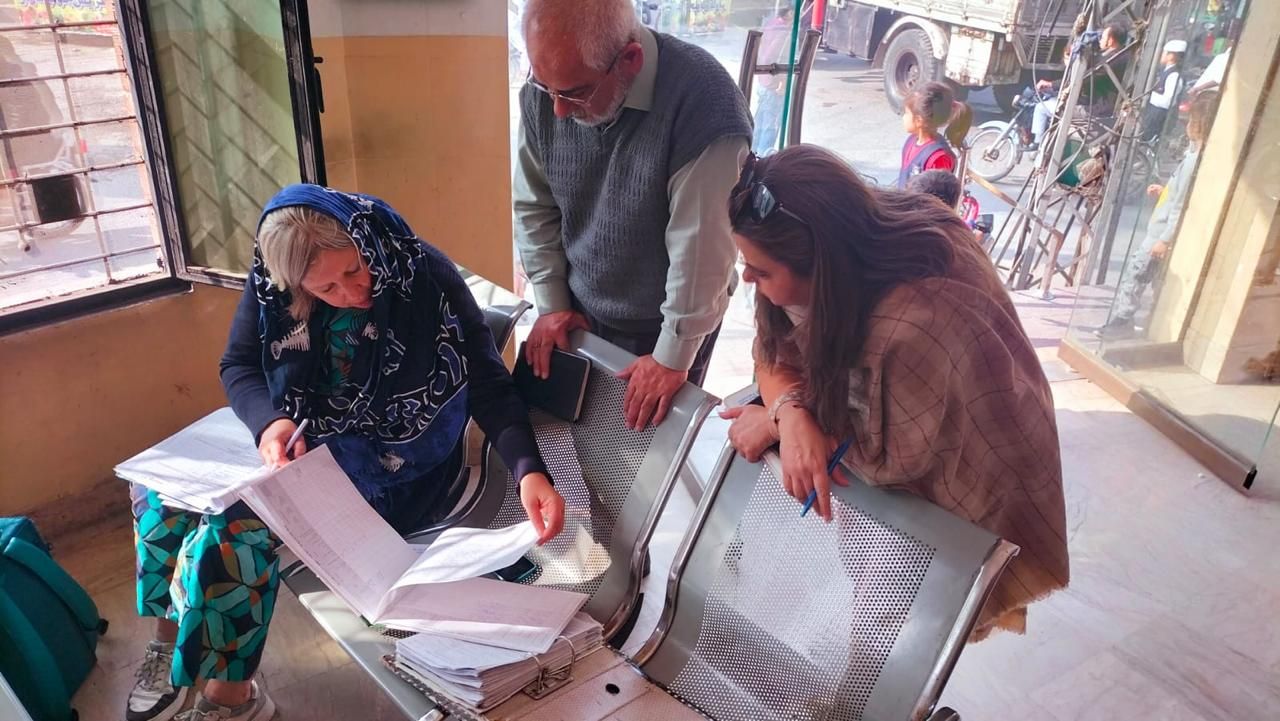
This milestone was made possible through the support of the Ministry of National Health Services, Regulations & Coordination, especially Dr. Ayaz Mustafa, Deputy National Coordinator CMU. Participants expressed high satisfaction, marking a major step forward in integrating pharmacovigilance across TB, HIV/AIDS, and Malaria programs.
Categories
News

National Stakeholder Meeting on Joint TB Programme Review Mission 2025

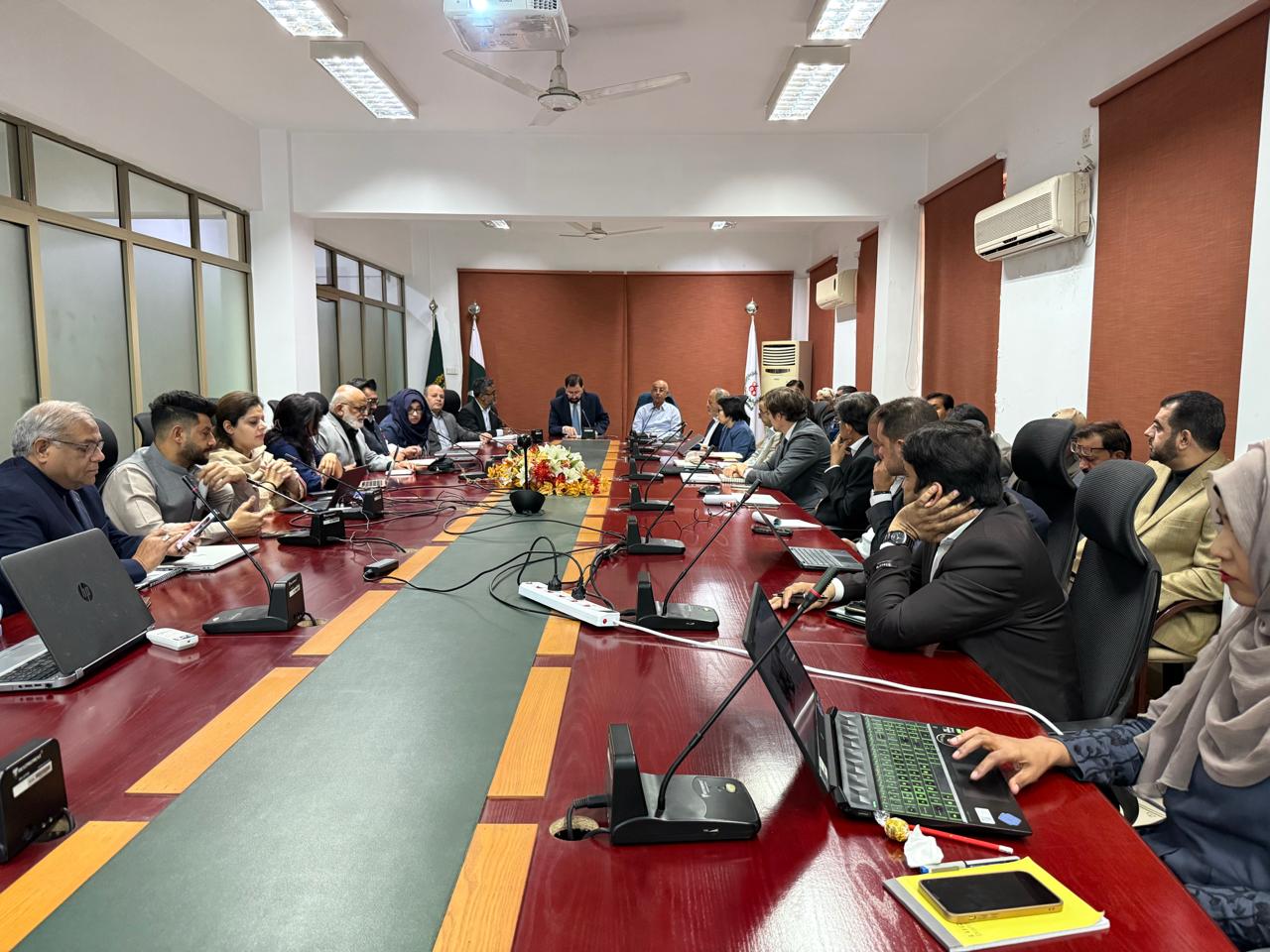
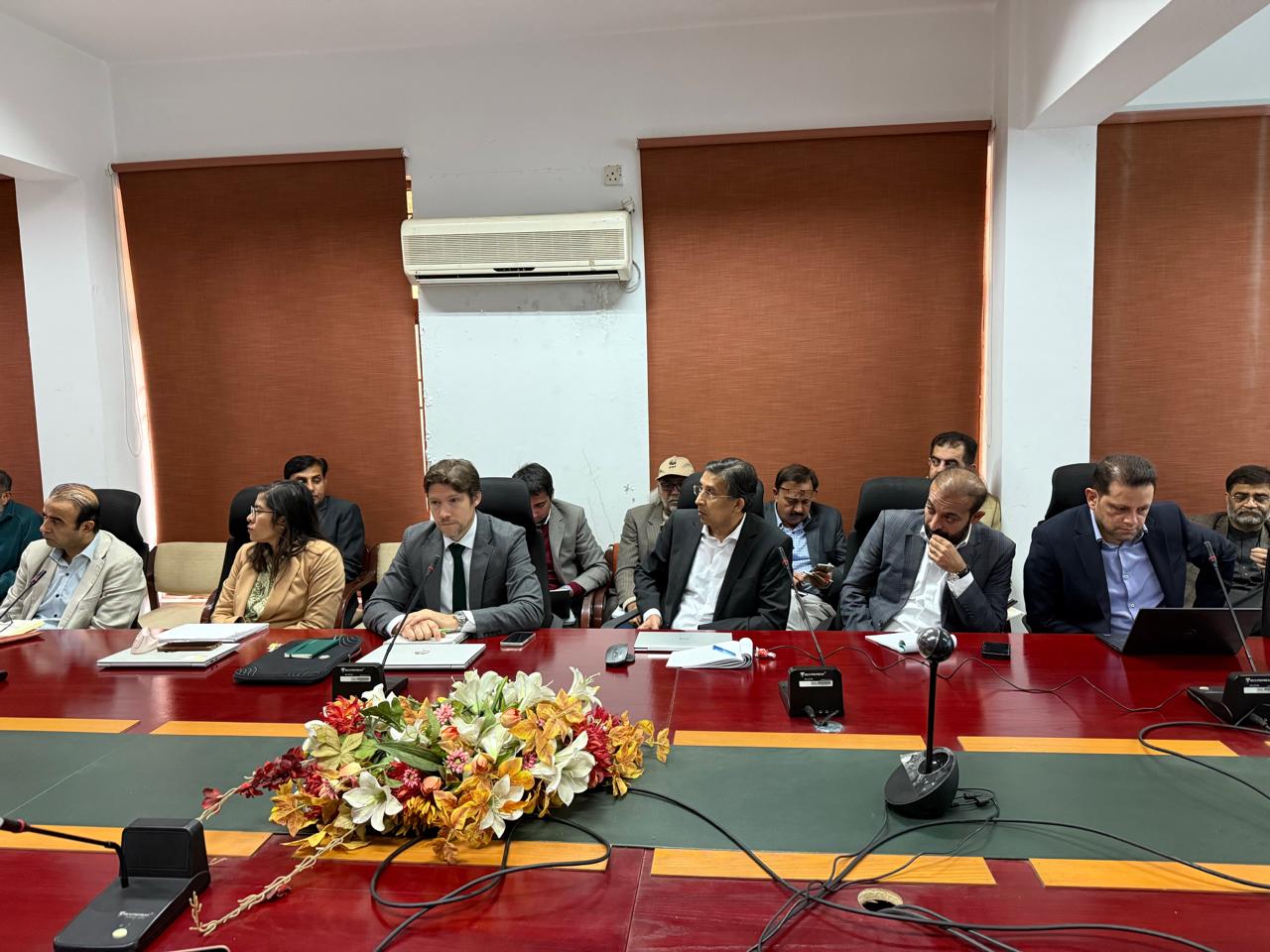
On 3rd September 2025, the Ministry of National Health Services, Regulations & Coordination (MoNHSR&C), through the Common Management Unit (CMU) for AIDS, TB, and Malaria, convened a National Stakeholder Meeting to deliberate on the upcoming Joint TB Programme Review Mission (JPRM) 2025. The meeting engaged the international and national partners to review the proposed scope and workstream of the mission based on recommendations of TB epidemiological review 2025 which was held in July 2025. 

JPRM 2025 will serve as a critical platform to evaluate progress since the 2022 review, address persistent gaps, and inform the development of the National, Provincial and Regional Strategic Plans 2027–2029 and the Global Fund GC-8 funding request. This consultative process underscores Pakistan’s commitment to an evidence-driven and collaborative TB response.