

Stigma surrounding HIV remains one of the most persistent challenges in public health. Although medical advancements have transformed HIV into a manageable condition, social attitudes have not progressed at the same pace. Fear, misinformation, and negative perceptions continue to shape how individuals living with HIV are treated in their families, communities, workplaces, and even schools. These misconceptions create barriers that prevent people from seeking care, adhering to treatment, or feeling safe enough to speak about their needs. Addressing stigma is not simply a matter of awareness, but a crucial step in protecting health, dignity, and human rights.
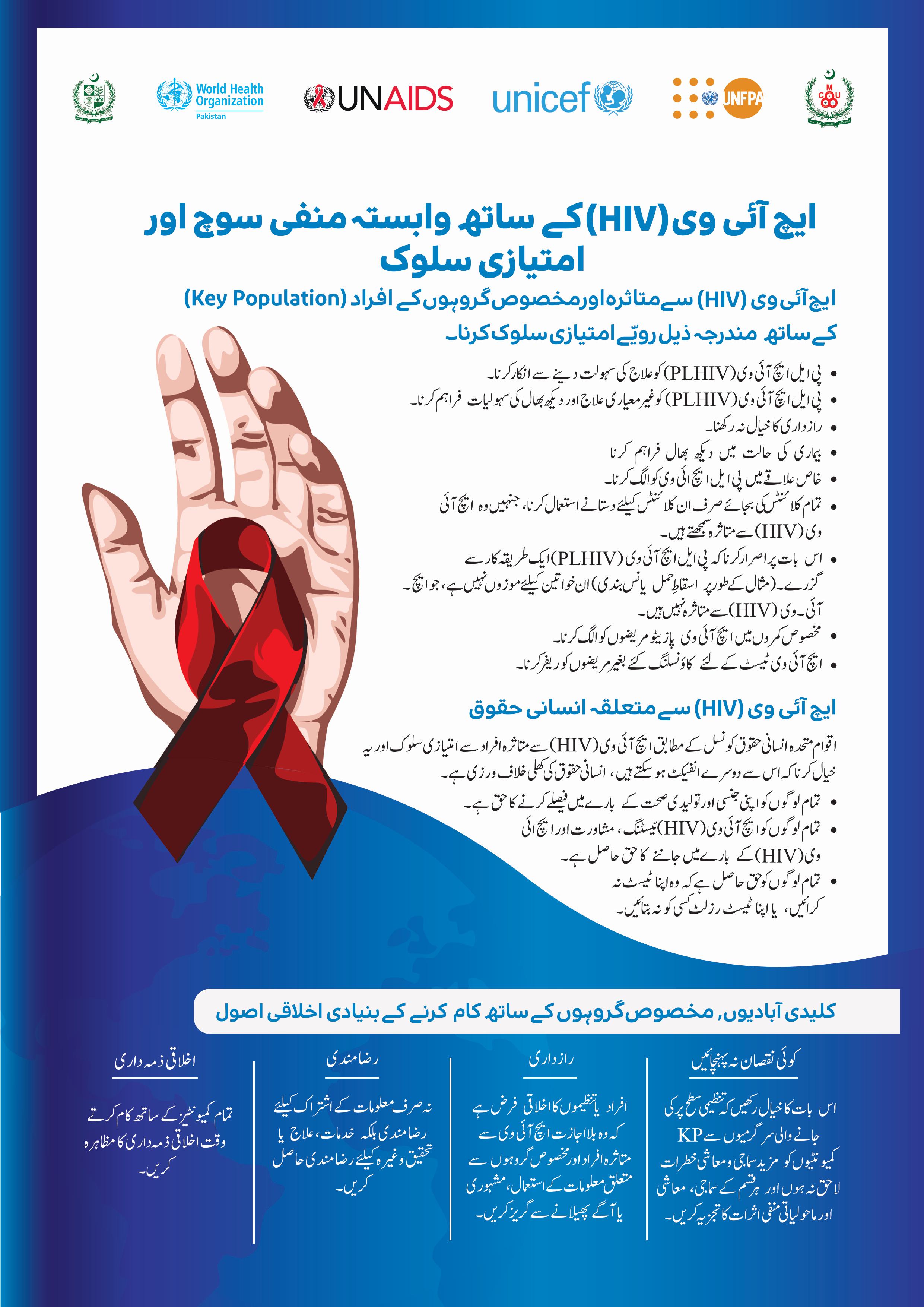
Many individuals living with HIV face unfair treatment in their daily lives. They may encounter judgmental attitudes in healthcare settings, hesitation from service providers, or exclusion from essential support systems. In some cases, people are refused services, spoken to harshly, or treated as though they pose a risk to others, even though HIV does not spread through casual contact, sharing food, or normal social interactions. Such behaviour reinforces fear and discourages people from seeking timely testing and care. Upholding privacy, confidentiality, and respectful conduct is essential for ensuring dignified treatment and equal access for all.
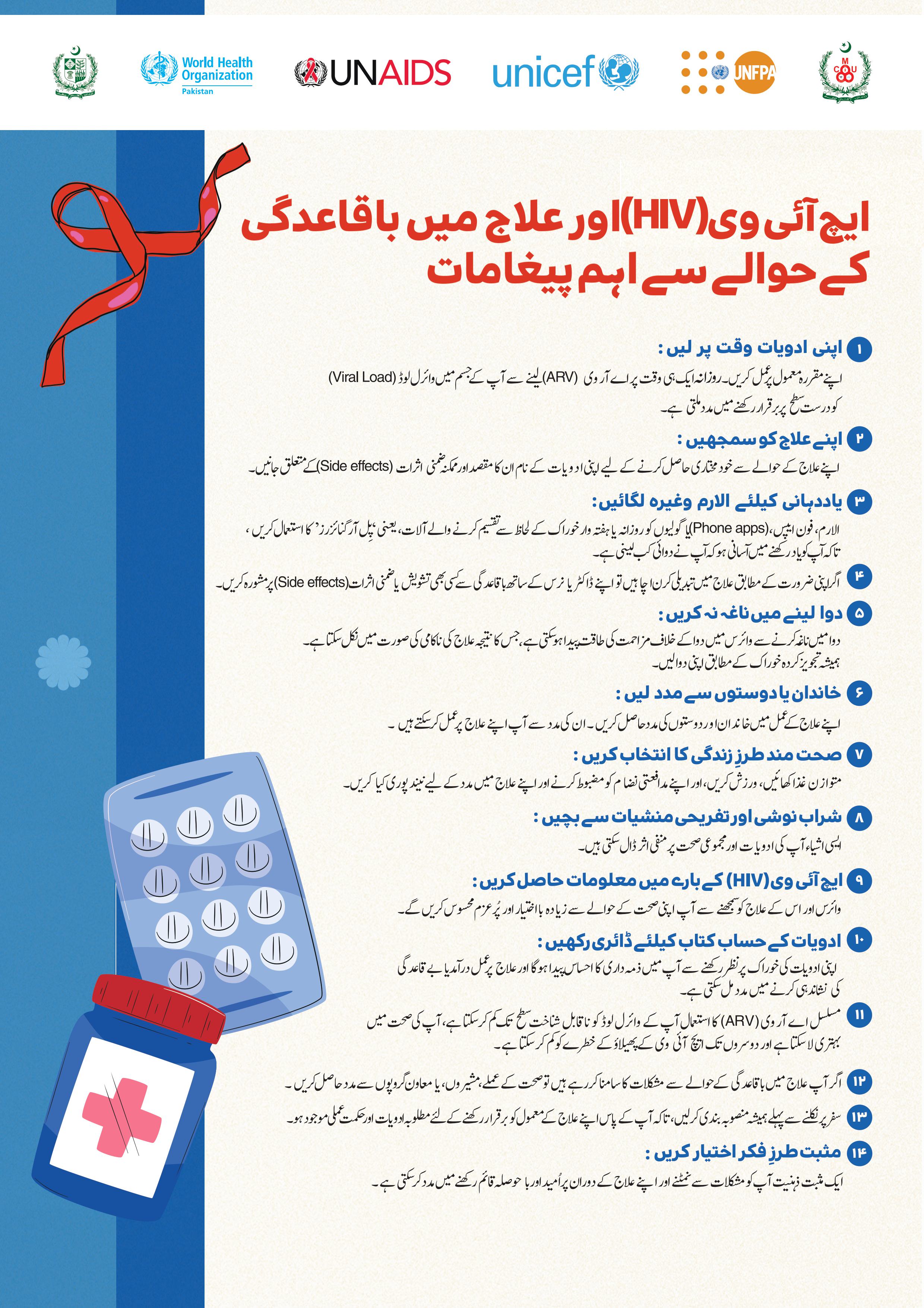
Children living with HIV are particularly vulnerable to stigma. They often struggle with isolation, confusion, or reduced support when teachers, peers, or adults around them lack correct information. Some children may find themselves excluded from play or classroom activities due to unfounded fears about transmission. Others face practical challenges, such as long travel distances to treatment facilities or limited emotional support within their communities. In contrast, when families, schools, and neighbours provide encouragement and inclusion, children thrive. They remain engaged in school, social activities, and treatment, reinforcing how supportive environments shape better outcomes.
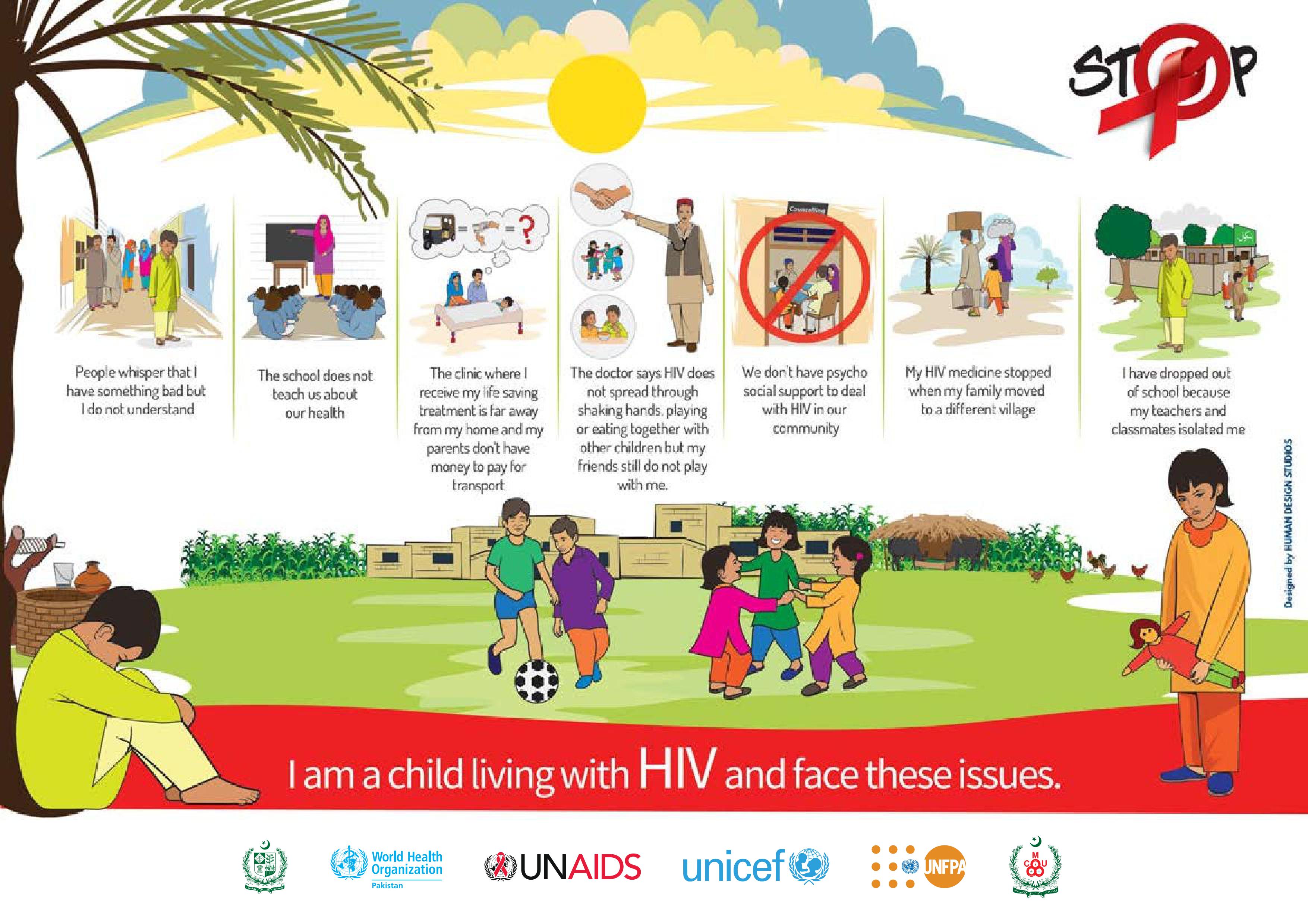
Another critical aspect of improving the lives of people living with HIV is ensuring consistent treatment adherence. Antiretroviral therapy, when taken regularly, reduces the viral load to undetectable levels and allows individuals to lead long, healthy lives. However, stigma often disrupts adherence. People may hide their medication, skip doses due to shame, or avoid visiting health centres because they fear being recognised or judged. Creating supportive spaces, offering counselling, and encouraging open communication empower individuals to follow their treatment confidently and consistently.
Ultimately, stigma causes more harm than the condition itself. It isolates individuals, damages mental and emotional wellbeing, and undermines public health goals by pushing people away from services. Ending stigma requires collective action. Families, teachers, healthcare workers, community members, and leaders must work together to promote accurate knowledge, show compassion, and uphold the rights of every person, regardless of HIV status. When communities reject discrimination and embrace supportive, informed attitudes, people living with HIV are better able to access care, maintain treatment, and live full, dignified lives.
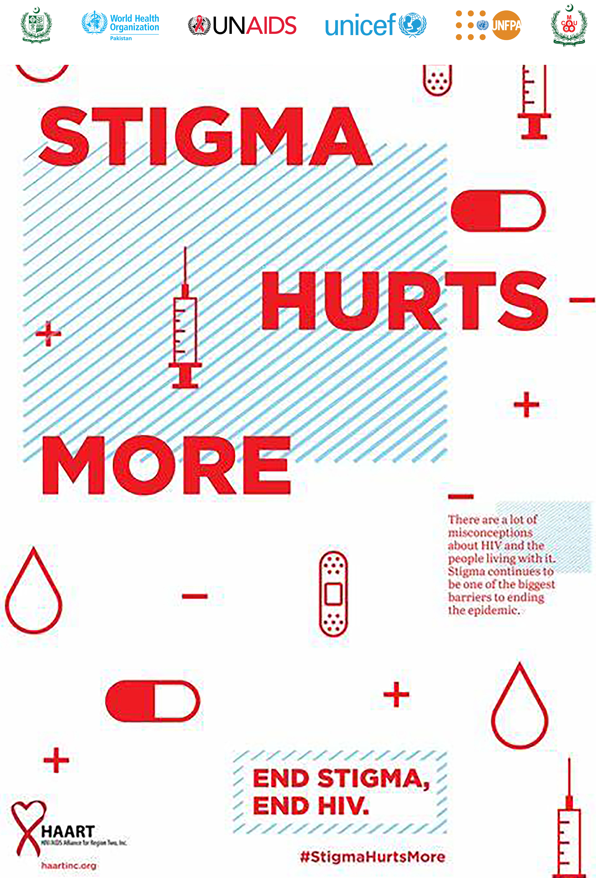
HIV is a manageable health condition, but stigma remains a significant obstacle that continues to harm individuals and weaken the national response. By fostering understanding, empathy, and respect, society can create an environment where every person feels safe, valued, and supported. Reducing stigma is essential for improving quality of life, strengthening public health efforts, and moving closer to the goal of ending AIDS as a public health threat. A future free from discrimination begins with informed, compassionate communities.