
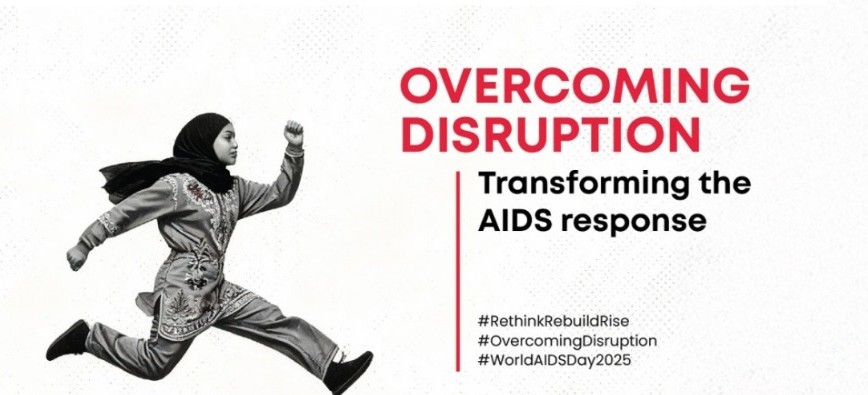
On World AIDS Day 2025, we reaffirm that HIV prevention is simple, effective and life-saving. Strengthening safe practices such as using sterile injections, ensuring certified blood, accessing PrEP and PEP, and rejecting harmful myths can significantly reduce transmission. HIV does not spread through casual contact, and informed communities remain protected. By rebuilding awareness, rethinking risky behaviours and rising together with compassion and responsibility, we can overcome disruption, close prevention gaps and move Pakistan closer to ending HIV.
Understanding How HIV Spreads
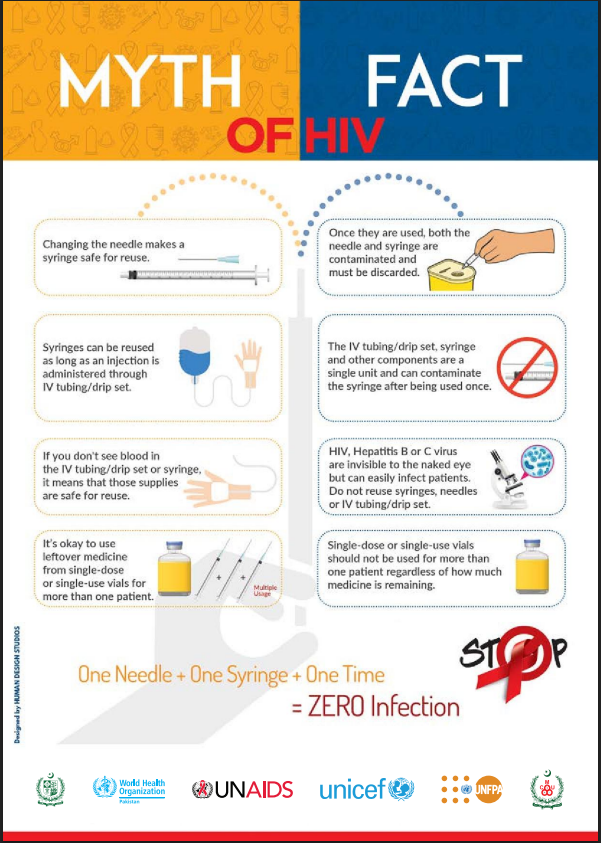
Why One Needle, One Syringe, One Time Matters
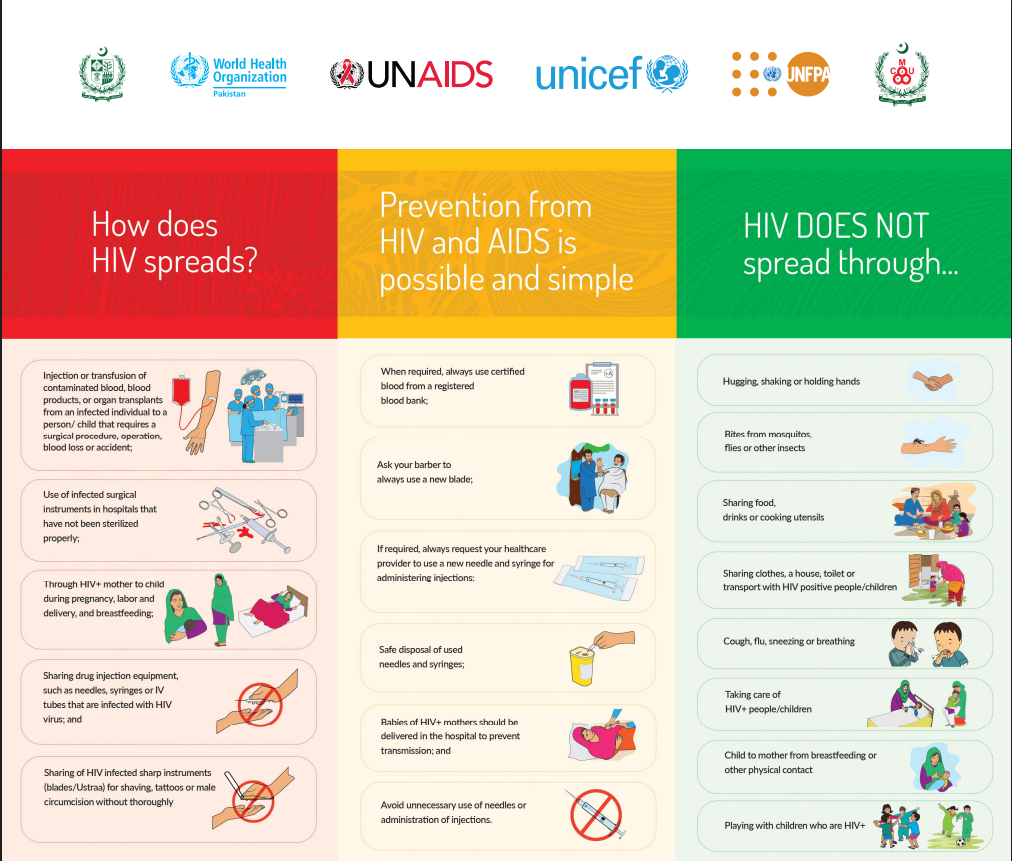
HIV spreads only through specific routes such as unsafe injections, infected blood, shared needles and mother-to-child transmission. Prevention becomes possible when people know the real risks. HIV does not spread through touch, shared food or daily interactions. Clear understanding reduces fear, corrects misconceptions and forms the foundation of effective prevention.
Prevention Through PrEP: Protection Before Exposure
Unsafe injections remain a major driver of HIV. Once a needle or syringe is used, it becomes contaminated, even if blood is not visible. Reusing any injection equipment can transmit HIV and other infections. One needle, one syringe, one time is the simplest, most effective rule for zero transmission.
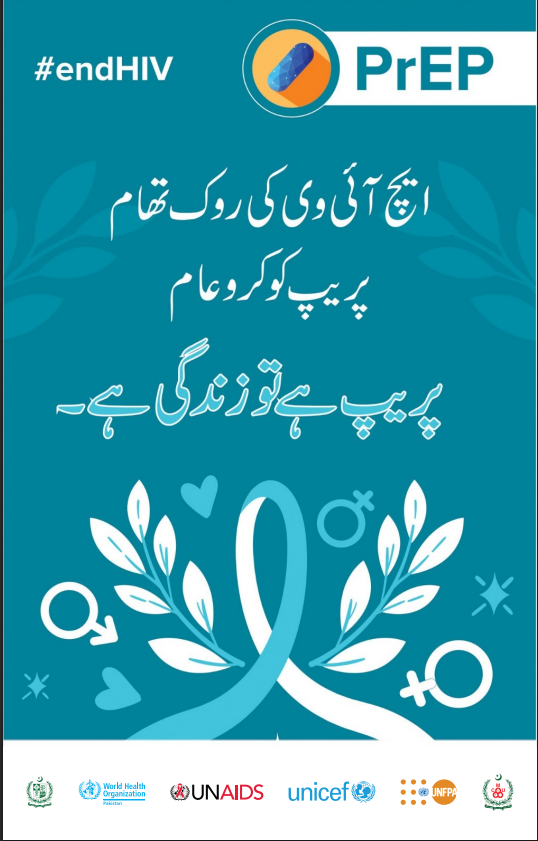
Prioritising Health With PrEP
PrEP is a safe and highly effective medicine that protects people at risk before exposure to HIV. When taken consistently, it significantly reduces the chance of infection. Making PrEP accessible and widely understood empowers individuals to safeguard their health and strengthens the national effort to prevent new HIV cases.
Addressing HIV as a Silent Threat
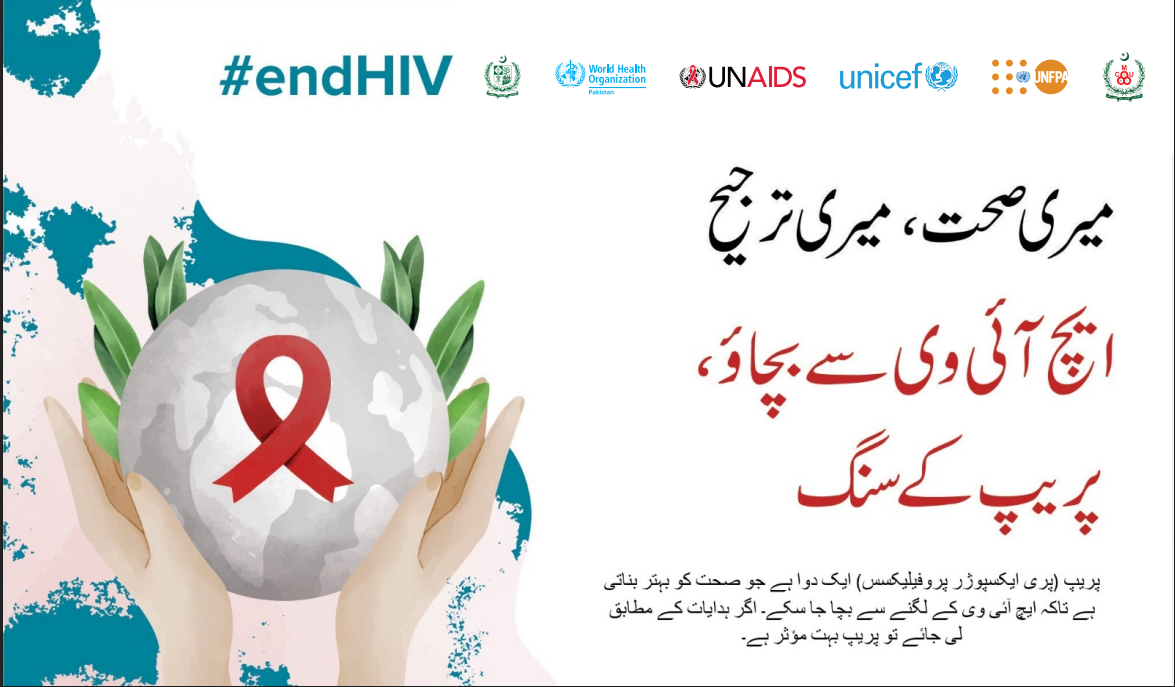
Placing health first means using every available prevention tool. PrEP is one of the strongest protections for people who may be exposed to HIV. When taken as recommended, it prevents infection and supports healthier futures. Awareness and informed choices help reduce new infections and keep communities protected.
Knowing the Difference Between PrEP and PEP
HIV often progresses silently, making prevention even more essential. PrEP provides proactive protection for those at risk. By increasing community awareness and normalising PrEP, we can reduce stigma, prevent infection and empower individuals to take control of their health before the virus ever has a chance to cause harm.
PrEP Makes Life Safer and Healthier
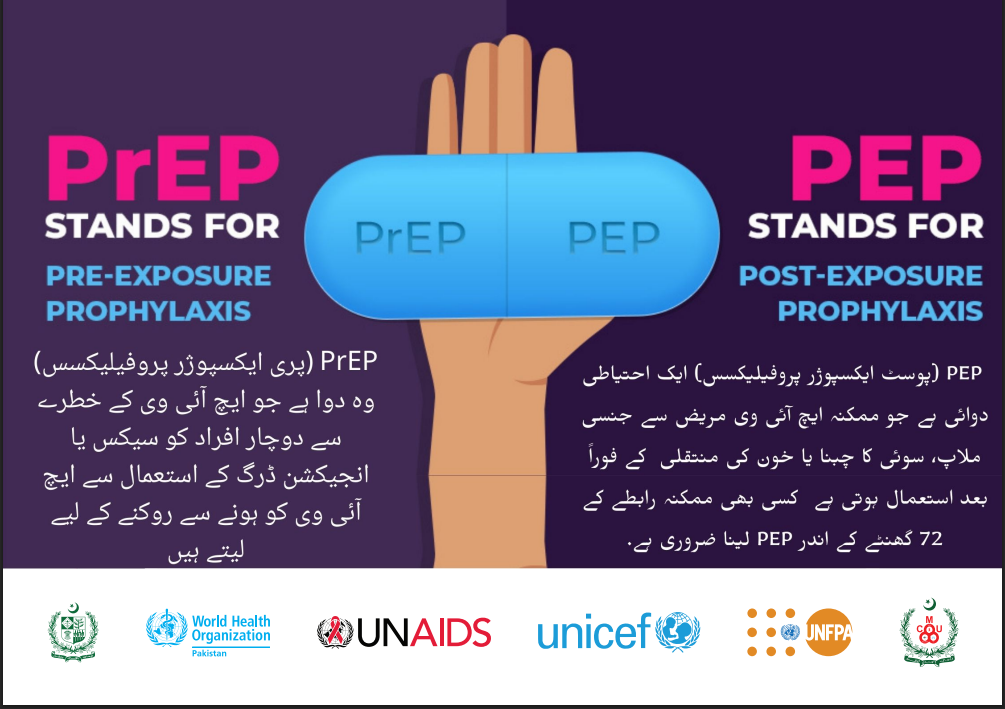
PrEP protects before exposure, while PEP is used after possible exposure and must begin within 72 hours. Understanding the difference helps people act quickly and appropriately. Both medicines are effective when used correctly, making timely action and awareness key to preventing HIV transmission and protecting individuals and communities.
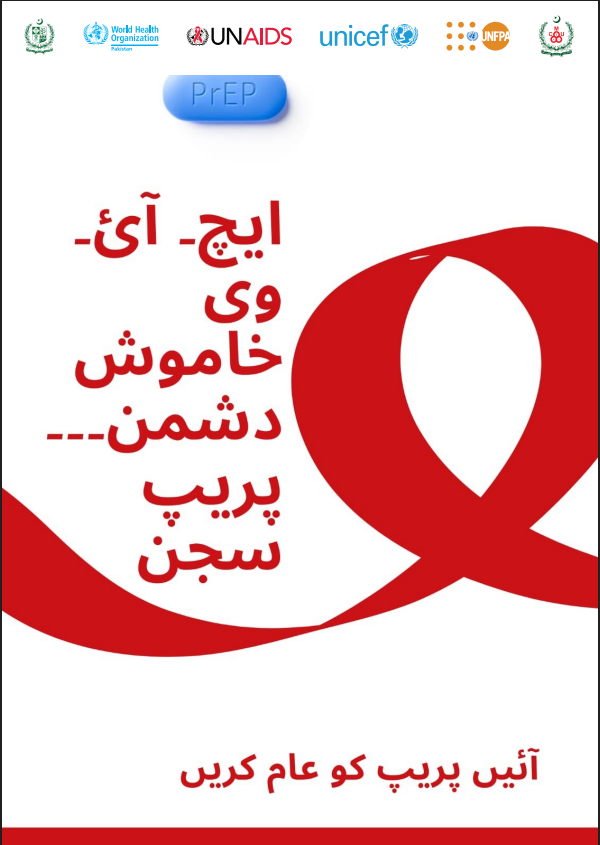
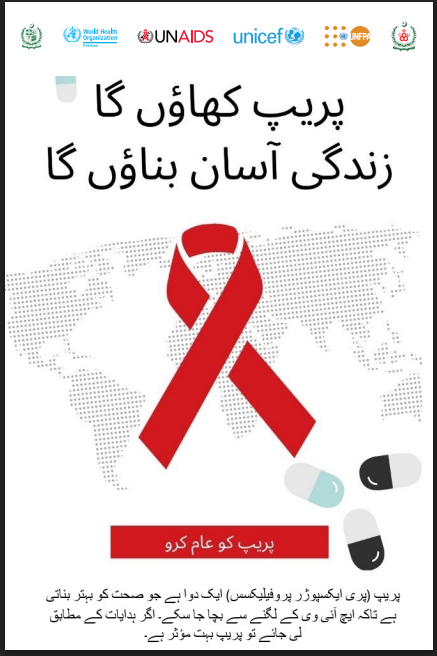
When taken as advised, PrEP lowers HIV risk and allows people to live with greater confidence and safety. Promoting PrEP awareness nationwide strengthens prevention, reduces new infections and empowers individuals to protect both themselves and their loved ones. Prevention today leads to healthier communities tomorrow.
As Pakistan strives to strengthen its HIV response, prevention remains our most powerful tool. By rebuilding awareness with accurate information, rethinking harmful practices like unsafe injections and stigma, and rising together through compassion and responsible action, we can overcome disruption in health services and societal attitudes. A united, prevention-focused approach brings us closer to ending HIV for future generations.